Step into the captivating world of vintage makeup brushes, where craftsmanship meets history and every stroke tells a story. In an era dominated by rapid advancements and fleeting trends, the allure of classic beauty tools endures. More than just instruments for application, vintage makeup brushes are echoes of a bygone era, offering a unique blend of quality, heritage, and timeless elegance. Whether you’re a seasoned collector, a makeup enthusiast with a passion for history, or simply curious about the roots of modern beauty, understanding these cherished artifacts can enrich your appreciation for the art of makeup. Join us as we explore their origins, distinct features, and the enduring charm that makes them truly special.
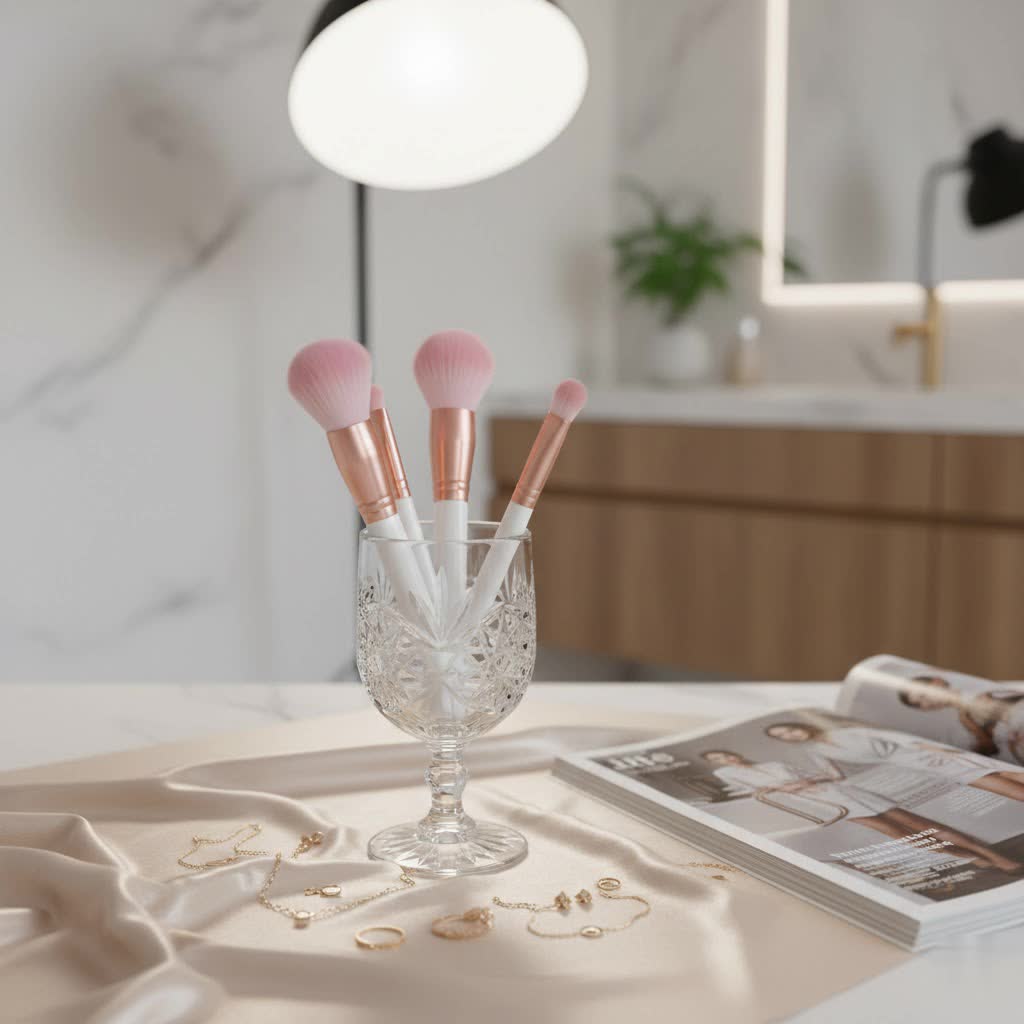
The Enduring Legacy: A Look at Vintage Makeup Brushes
The journey of makeup brushes is as old as civilization itself, evolving from rudimentary tools to the sophisticated instruments we know today. Tracing their lineage reveals a fascinating narrative of innovation and artistry.
In ancient civilizations, the precursors to modern brushes were simple yet effective. Ancient Egyptians utilized sticks of wood or bone to apply kohl around their eyes, while in ancient China, women delicately applied rice powder with fine bamboo sticks and animal hair. These early tools highlighted the resourceful use of natural materials to achieve desired beauty effects. During the Middle Ages, handmade craftsmanship continued, with brushes crafted from horsehair and squirrel fur, particularly in regions where makeup application remained popular despite varying cultural views on cosmetics.
The Renaissance marked a pivotal period where beauty became an art form. Artists specializing in portrait painting influenced makeup application, leading to a demand for more refined, smaller brushes. These handcrafted tools, often created by artisans, utilized softer materials to achieve smoother finishes for powders, rouges, and creams.
The Industrial Revolution brought about a significant shift, transforming brush production from bespoke artistry to mass manufacturing. By the late 19th and early 20th centuries, brushes became more affordable and accessible to the general public. This era also saw early innovations in materials, including the incorporation of synthetic fibers and metals for brush handles. The 20th century, particularly with the rise of Hollywood glamour, further propelled makeup brushes into the mainstream. Brands like Max Factor and Estée Lauder developed more specialized brushes for techniques such as blending and contouring, making them an integral part of makeup kits and a symbol of accessible elegance. The brushes from this period, before widespread synthetic dominance, are often considered true vintage treasures.
Decoding the Past: Types of Vintage Makeup Brushes
Vintage makeup brushes were meticulously designed to achieve the prevailing beauty standards of their time, each shape and material serving a specific purpose. Understanding these classic forms helps appreciate their historical significance and practical application.
Face Brushes of Yesteryear
For perfecting the complexion, vintage collections featured a range of face brushes, each crafted for specific tasks:
- Foundation Brush: Before the advent of modern sponges or airbrush techniques, dense, flat-top, or slightly tapered natural hair brushes were used to apply liquid or cream foundations, buffing them into the skin for a smooth, even finish.
- Concealer Brush: Smaller, more precise brushes, often with a flat or pointed tip, were used to apply and blend concealer to targeted areas, ensuring seamless coverage.
- Powder Brush: Large, fluffy, and soft brushes, typically made from natural animal hair like goat or squirrel, were essential for applying loose or pressed powders to set makeup and reduce shine. Their ample surface area allowed for broad, gentle sweeps across the face.
- Blush Brush: Designed to deliver a soft wash of color to the cheeks, vintage blush brushes often had a slightly domed or angled shape, providing controlled application of powdered blush.
- Bronzer/Contour Brush: While modern contouring became prevalent later, older brushes existed for sculpting the face with darker powders. These might have been angled or slightly smaller, denser powder brushes, used to define cheekbones and jawlines.
- Highlight Brush: Smaller, tapered brushes or fan-shaped brushes would have been used for applying subtle highlights to the high points of the face, catching the light for a luminous effect.
|
Our Picks for the Best Makeup Brushes in 2026
As an Amazon Associate I earn from qualifying purchases.
|
||
| Num | Product | Action |
|---|---|---|
| 1 | BS-MALL Professional Makeup Brush Set 18 Pcs Premium Synthetic Foundation Powder Concealers Eye Shadows Blush Makeup Brushes with Travel Case (Matte white beige) |

|
| 2 | BS-MALL Makeup Brushes Premium Synthetic Foundation Powder Concealers Eye Shadows 14 Pcs Purple for Makeup Beginner or Professional with Travel Case |
|
| 3 | Makeup Brushes 22 Pcs Makeup Kit,Foundation Brush Eyeshadow Brush Make up Brushes Set (Green, 22 Piece Set) |
|
| 4 | Bueart Design 26 Pcs Chocolate-colored Gift Makeup Brushes Set with Extra Large Holder,Elegant Make up Brushes for Foundation,Face Blending Powder, Contour, Highlight, Concealer, Eyeshadow |
|
| 5 | BS-MALL Makeup Brush Set 18 Pcs Premium Synthetic Foundation Powder Concealers Eye shadows Blush Makeup Brushes with black case |
|
| 6 | 1/2 PCS Lymphatic Contour Face Brush for Sculpting – Anti-Puffiness, Detox & Lift, Improves Skin Glow & Absorption (1 Pcs Contour Face Brush) |
|
| 7 | Flat Top Kabuki Foundation Brush By KESHIMA - Premium Makeup Brush for Liquid, Cream, and Powder - Buffing, Blending, and Face - 1.2" Top Diameter |
|
| 8 | BEAKEY Makeup Brushes Set, Professional Foundation Eyeshadow Concealer Blush Powder Bronzer Applicator, 2 Blender Sponge with Beauty Paper Case |
|
| 9 | 300PCS Disposable Angled Eyebrow Brushes, Bulk Brow Tint Brushes, Eye Shadow Eyeliner Brush, Tinting Concealer Brushs for Women Girls Salon Beauty Cosmetic Make up Tool Esthetician Supplies |
|
| 10 | MAANGE 20 Pcs Makeup Brushes with Gift Box, Double-End Multi-functional Makeup Brushes for Blending Liquid Powder Concealer Cream Blush Buffe,CoffeeBrown |
|
Eye & Lip Artistry: Vintage Tools
The eyes and lips were focal points of vintage makeup, requiring specialized tools for intricate application:
- Eyeshadow Brush: A staple for applying color to the eyelids, these brushes varied from flat, paddle-shaped brushes for packing on pigment to softer, domed brushes for initial blending.
- Blending Brush: Crucial for achieving diffused and seamless eye looks, vintage blending brushes were typically fluffy with a tapered or rounded shape, allowing for effortless merging of eyeshadow shades.
- Eyeliner Brush: Fine-tipped brushes, often angled or very thin, were used with cream or cake eyeliners to create precise lines along the lash line, from subtle definition to dramatic wings.
- Eyebrow Brush: For shaping and filling brows, stiff, angled brushes were common, often paired with a spoolie on the other end, to create definition and tame brow hairs.
- Lip Brush: Small, firm brushes with a pointed tip were used for precise application of lipstick or gloss, allowing for crisp lines and an even fill, particularly for bold lip colors popular in mid-20th century.
Many vintage brushes from the mid-20th century, such as those by Helena Rubenstein or other established brands, often featured handles made from materials like celluloid, wood, or bamboo, showcasing both practicality and aesthetic appeal.
Vintage vs. Modern: A Comparative Glance
While the fundamental purpose of makeup brushes remains constant, significant differences exist between vintage and modern tools. These distinctions often stem from advancements in material science, manufacturing processes, and evolving beauty trends.
| Feature | Vintage Makeup Brushes | Modern Makeup Brushes |
|---|---|---|
| Bristle Material | Primarily natural animal hair (goat, squirrel, pony, sable); early synthetics also existed but were less common for softness. | Predominantly high-performance synthetic fibers (Taklon, PBT, PBT blends); natural hair still available in luxury lines. |
| Handle Material | Often wood, bamboo, celluloid, early plastics, or metal. | Plastic, wood, metal, acrylic, often with ergonomic designs. |
| Construction | Frequently handcrafted or semi-handcrafted; emphasis on traditional techniques. | Mass-produced with advanced machinery; emphasis on precision and consistency. |
| Feel & Performance | Often softer, excellent for powders due to natural cuticle; can absorb liquid/cream more. | Can be very soft or firm; excellent for liquids/creams due to non-porous nature; less product absorption. |
| Longevity | Well-maintained natural hair brushes can last decades; robust construction. | Varies widely by brand and price point; high-quality synthetics are durable. |
| Care | Requires gentle cleaning; prone to shedding or damage with harsh products. | Easier to clean and quicker to dry; more resistant to harsh cleansers. |
| Availability | Limited to antique shops, estate sales, online vintage marketplaces; unique finds. | Widely available in beauty stores, online retailers; mass-produced. |
| Ethical/Allergy | Natural hair may raise ethical concerns for some; potential for animal hair allergies. | Cruelty-free synthetic options widely available; hypoallergenic options. |
The Hunt for Treasures: Your Vintage Makeup Brush Buying Guide
Embarking on the quest for vintage makeup brushes can be a rewarding experience, uncovering unique pieces that add character to your collection. However, a discerning eye is crucial to ensure you’re investing in quality and authenticity.
When considering a purchase, the condition of the brush is paramount. Carefully inspect the bristles for shedding, unevenness, or damage. While some wear is expected, excessive fraying or stiffness can indicate poor maintenance or irreversible damage. The bristle material is also a key indicator of its vintage status. Many older brushes boasted natural animal hair, prized for its softness and ability to pick up and distribute powders evenly. Look for hallmarks of quality natural hair, such as a delicate texture and natural variations in color. Early synthetic fibers did exist but were often less refined than today’s versions.
Examine the handle quality and material. Vintage handles were commonly crafted from wood, bamboo, celluloid, or metal. These materials often feature distinct designs, engravings, or finishes that speak to the aesthetic trends of their era. For instance, some 1960s brushes might feature elegant celluloid stands, as seen in collections by brands like Helena Rubenstein. The way the bristles are affixed to the handle (the ferrule) is also important; a loose ferrule can indicate a brush that won’t withstand use.
Brand identification can be challenging but rewarding. Keep an eye out for imprints or engravings on the handles. While not always present, finding a recognized name like Max Factor or Helena Rubenstein can add significant historical value. Researching known vintage brands and their typical brush styles can aid in identification.
You might wonder, “Are vintage makeup brushes safe to use?” The answer is a cautious yes, provided they are thoroughly cleaned and disinfected. Before using any vintage brush on your face, it is absolutely essential to give it a deep, gentle cleanse to remove any old makeup residue, oils, or potential bacteria.
Vintage makeup brushes can be found in a variety of places. Online vintage marketplaces (like Etsy, eBay) and specialized auction sites often feature unique listings. Antique stores, flea markets, and estate sales are also excellent hunting grounds, offering the chance to inspect brushes in person before purchasing. Sometimes, hidden gems can be found in old vanity sets or forgotten cosmetic cases.
Preserving History: Cleaning and Caring for Your Vintage Brushes
Owning vintage makeup brushes is a privilege that comes with the responsibility of proper care. Due to their age and often delicate materials, these brushes require a gentle touch to ensure their longevity and maintain their integrity.
Regular cleaning is not just about hygiene; it’s crucial for preserving the quality of the bristles and preventing product buildup that can degrade the brush over time. For natural hair brushes, which are common in vintage sets, excessive oil and makeup residue can cause the hairs to become stiff, brittle, or lose their original shape.
Here are the steps for cleaning vintage brushes correctly:
- Use a Gentle Cleanser: Opt for a mild soap, a gentle shampoo (baby shampoo works well), or a specialized makeup brush cleanser designed for natural hair. Harsh chemicals or strong detergents can strip natural oils from the bristles, causing damage.
- Wet the Bristles (Carefully): Hold the brush head down under lukewarm running water, allowing the water to saturate the bristles without letting water seep into the ferrule (the metal part connecting the bristles to the handle). Water in the ferrule can loosen the glue and cause shedding.
- Lather and Rinse: Apply a small amount of cleanser to your palm or a textured brush cleaning mat. Gently swirl the brush bristles in the cleanser, working up a lather. Rinse thoroughly under lukewarm water, still keeping the brush head down, until the water runs clear and no soap residue remains.
- Reshape and Dry: Gently squeeze excess water from the bristles with a clean towel. Carefully reshape the brush head to its original form. Lay the brushes flat on a clean towel or hang them upside down (if you have a brush drying rack) to air dry completely. Avoid drying them upright, as water can drain into the ferrule.
- Avoid Heat: Never use direct heat from a hairdryer or radiator to dry vintage brushes, as this can damage the bristles and handles. Air drying is the safest method.
Storage tips are equally important for extending the lifespan of your vintage brushes. Store them in a dry, dust-free environment, away from direct sunlight or extreme temperature fluctuations. Using a brush roll, a dedicated brush holder, or keeping them in their original cases can protect them from dust and physical damage. Proper care ensures these beautiful tools remain functional and cherished pieces of beauty history.
Curated Classics: Top Vintage Makeup Brush Finds & Brands
While identifying specific “top” vintage makeup brush sets that are readily available can be challenging due to their rarity and collector’s market nature, certain characteristics and historical brands offer clues to what constitutes a highly desirable vintage find.
When searching for the best vintage makeup brushes, look for:
- Natural Hair Quality: Brushes made with high-quality natural animal hair (such as sable, squirrel, or goat hair) are often superior for powder application, offering exceptional softness and excellent product pickup.
- Solid Construction: Examine the ferrule (the metal band) for secure attachment and the handle for sturdy, crack-free materials like polished wood, bamboo, or early, well-preserved celluloid.
- Intact Branding: Brushes with visible brand names or markings can be more valuable to collectors and offer historical context.
Some brands that were prominent in the mid-20th century and are known for producing quality makeup brushes include:
- Helena Rubenstein: As highlighted by collectors, brushes from the 1950s and 60s, sometimes featuring elegant celluloid handles or travel sets, are prized for their historical significance and craftsmanship.
- Max Factor: A pioneer in cinematic makeup, Max Factor likely produced brushes designed for professional-level application, which would be sought after by collectors today.
- Estée Lauder: Another iconic beauty brand that developed sophisticated tools as makeup became more mainstream in the mid to late 20th century.
Finding complete, well-preserved sets from these eras is a rarity, making individual brushes with good bristles and intact handles particularly special. The value often lies not just in the brand, but in the enduring quality and unique aesthetic that only true vintage items possess.
Conclusion
Vintage makeup brushes stand as a testament to the timeless appeal of quality craftsmanship and the rich history of beauty. From their ancient origins as rudimentary tools to their refined forms in the mid-20th century, these brushes offer a tangible connection to the evolution of cosmetic artistry. They remind us that beauty tools, much like the art of makeup itself, have always been about precision, elegance, and the joy of self-expression. By understanding their unique characteristics, learning how to select them wisely, and committing to their careful preservation, we ensure that the legacy of these classic instruments continues to inspire. So, as you refine your own beauty rituals, consider the story held within each bristle and handle. What timeless beauty secrets might a vintage brush unveil for you?
Frequently Asked Questions
Are vintage makeup brushes safe to use?
Yes, vintage makeup brushes can be safe to use, but thorough cleaning and disinfection are essential. Always wash them gently with a mild cleanser and allow them to air dry completely before using them on your skin to remove any old product residue or bacteria.
How do I identify a real vintage makeup brush?
Look for clues in the materials and construction: natural animal hair bristles, handles made of wood, bamboo, or celluloid, and robust ferrules. Some may have faded brand names like Helena Rubenstein or Max Factor. Their design often reflects the aesthetic trends of the mid-20th century.
Where can I buy vintage makeup brushes?
Vintage makeup brushes can be found in various locations, including online marketplaces like Etsy and eBay, antique shops, flea markets, and estate sales. Patience and a keen eye are key to discovering unique and well-preserved pieces.
What were vintage makeup brushes made of?
Vintage makeup brushes were primarily crafted from natural animal hairs such as goat, squirrel, sable, or pony for bristles. Handles were typically made from natural materials like wood or bamboo, or early plastics like celluloid, often with metal ferrules.
