Stepping into the world of professional makeup can feel like gaining access to a secret toolkit, and at its heart lie the pro makeup brushes. These aren’t just ordinary tools; they are the finely-tuned instruments that translate artistic vision into flawless reality. Whether you’re a seasoned artist or an aspiring enthusiast ready to elevate your technique, understanding the nuances of professional makeup brushes is crucial. This comprehensive guide will navigate through their evolution, diverse types, material science, selection criteria, and essential care, ensuring you’re equipped to achieve every desired look with precision and ease.
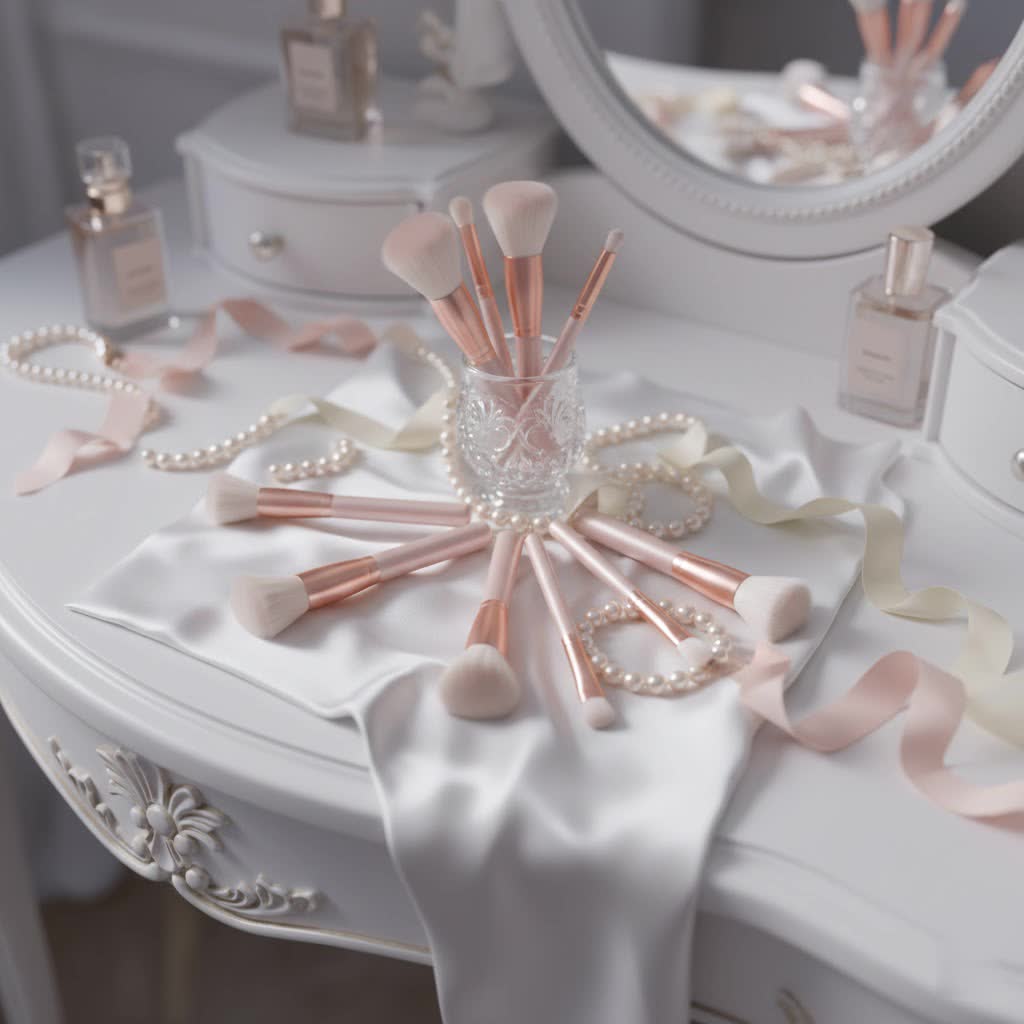
Overview of Professional Makeup Brushes
Professional makeup brushes are far more than simple applicators; they are extensions of an artist’s hand, designed to deliver unparalleled control, precision, and seamless blending. Their significance in makeup artistry cannot be overstated, as the right brush can transform a good application into a truly exceptional one. From the early days when makeup was applied with fingers or rudimentary tools, brushes have evolved dramatically, integrating advanced materials and ergonomic designs.
Historically, makeup application tools were basic, often utilizing natural fibers or animal hair. Over centuries, as cosmetic formulations grew more sophisticated, so did the demand for specialized tools to apply them. The industrial revolution and subsequent advancements in manufacturing brought about mass-produced brushes, yet the emphasis on handcrafted quality persisted for professional use. Today, professional brushes combine this heritage of meticulous craftsmanship with modern technological innovations, offering superior performance, durability, and a luxurious experience. They are engineered to pick up, deposit, and blend product with optimal efficiency, allowing for a smooth, airbrushed finish that is difficult to achieve with lesser tools.
Essential Types of Professional Makeup Brushes
The vast array of professional makeup brushes might seem daunting, but each is crafted with a specific purpose, contributing to a holistic and polished look. Categorizing them by their application area simplifies understanding their function.
Makeup Brushes for the Face
Face brushes are foundational to any makeup kit, designed for applying base products, contours, and color to larger areas.
- Foundation Brush: Typically dense with a flat, tapered, or domed head, these brushes are ideal for applying liquid, cream, or stick foundations. They ensure an even, streak-free application and buildable coverage.
- Concealer Brush: Smaller and more precise than foundation brushes, concealer brushes usually have a flat or slightly tapered head. They are perfect for targeting specific areas like blemishes or under-eye circles, allowing for detailed, spot application and blending.
- Powder Brush: Large, fluffy, and soft, powder brushes are designed to evenly distribute loose or pressed powders across the face without disturbing underlying makeup. They provide a diffused finish and help set makeup for longevity.
- Blush Brush: Often rounded, angled, or tapered, blush brushes are used to apply blush to the apples of the cheeks. Their shape allows for precise placement and gentle blending for a natural flush of color.
- Bronzer Brush: Similar in size to powder brushes but sometimes denser or more angled, bronzer brushes are used to apply bronzer to areas where the sun naturally hits (forehead, cheekbones, jawline), creating warmth and a sculpted effect.
- Highlight Brush: These brushes come in various shapes, including fan, tapered, or small fluffy domes. They are designed for precise application of highlighter to the high points of the face, such as cheekbones, brow bone, and cupid’s bow, for a radiant glow.
|
Our Picks for the Best Makeup Brushes in 2026
As an Amazon Associate I earn from qualifying purchases.
|
||
| Num | Product | Action |
|---|---|---|
| 1 | Bueart Design 26 Pcs Chocolate-colored Gift Makeup Brushes Set with Extra Large Holder,Elegant Make up Brushes for Foundation,Face Blending Powder, Contour, Highlight, Concealer, Eyeshadow |

|
| 2 | 1/2 PCS Lymphatic Contour Face Brush for Sculpting – Anti-Puffiness, Detox & Lift, Improves Skin Glow & Absorption (1 Pcs Contour Face Brush) |
|
| 3 | Makeup Brushes 22 Pcs Makeup Kit,Foundation Brush Eyeshadow Brush Make up Brushes Set (Green, 22 Piece Set) |
|
| 4 | 300PCS Disposable Angled Eyebrow Brushes, Bulk Brow Tint Brushes, Eye Shadow Eyeliner Brush, Tinting Concealer Brushs for Women Girls Salon Beauty Cosmetic Make up Tool Esthetician Supplies |
|
| 5 | BEAKEY Makeup Brushes Set, Professional Foundation Eyeshadow Concealer Blush Powder Bronzer Applicator, 2 Blender Sponge with Beauty Paper Case |
|
| 6 | MAANGE 20 Pcs Makeup Brushes with Gift Box, Double-End Multi-functional Makeup Brushes for Blending Liquid Powder Concealer Cream Blush Buffe,CoffeeBrown |
|
| 7 | BS-MALL Professional Makeup Brush Set 18 Pcs Premium Synthetic Foundation Powder Concealers Eye Shadows Blush Makeup Brushes with Travel Case (Matte white beige) |
|
| 8 | BS-MALL Makeup Brushes Premium Synthetic Foundation Powder Concealers Eye Shadows 14 Pcs Purple for Makeup Beginner or Professional with Travel Case |
|
| 9 | Flat Top Kabuki Foundation Brush By KESHIMA - Premium Makeup Brush for Liquid, Cream, and Powder - Buffing, Blending, and Face - 1.2" Top Diameter |
|
| 10 | BS-MALL Makeup Brush Set 18 Pcs Premium Synthetic Foundation Powder Concealers Eye shadows Blush Makeup Brushes with black case |
|
Makeup Brushes for the Eyes
Eye brushes are characterized by their smaller sizes and varied shapes, allowing for intricate work and detailed application.
- Eyeshadow Brush: Flat and dense, these brushes are used to pack eyeshadow onto the eyelid, delivering intense color payoff.
- Blending Brush: Often fluffy and tapered, blending brushes are crucial for softening harsh lines and seamlessly merging different eyeshadow shades in the crease and outer corner.
- Eyeliner Brush: Fine-tipped, angled, or ultra-thin, eyeliner brushes provide the precision needed to apply gel, liquid, or cream eyeliners along the lash line, from subtle definition to dramatic wings.
- Eyebrow Brush: Typically dual-ended with a spoolie on one side and an angled brush on the other, these are used to fill in brows with powder or pomade and then groom them into place.
Makeup Brushes for the Lips
Though often overlooked, a lip brush provides unparalleled precision for a polished lip look.
- Lip Brush: Small, firm, and usually tapered or flat, lip brushes allow for precise application of lipstick or gloss, defining the lip line and filling in color smoothly, especially with highly pigmented or intricate shades.
Comparing Natural vs. Synthetic Makeup Brushes
The choice of bristle material is a critical factor influencing a brush’s performance, feel, and suitability for different makeup products. Professional artists often have a mix of both natural and synthetic brushes in their kits.
| Brush Type | Material | Shape & Size | Usage | Pros | Cons | Price Range |
|---|---|---|---|---|---|---|
| Natural Hair | Animal Hair | Porous, varied softness (goat, squirrel, sable) | Powders (eyeshadow, blush, bronzer) | Excellent pigment pickup, seamless blending, soft diffusion, luxurious feel, can improve with age | Prone to shedding, harder to clean, can absorb liquids, ethical concerns, more expensive, can stain | Medium to High |
| Synthetic | Man-made fibers | Smooth, uniform, maintains shape, often firmer | Liquids, Creams, Gels (foundation, concealer, liquid eyeliner, lipstick) | Cruelty-free, easy to clean, durable, less shedding, hygienic, precise application, consistent performance, more affordable | Can sometimes streak with powders, may not diffuse powders as softly | Low to Medium |
Natural Hair Brushes: These are typically made from animal hair, such as goat, squirrel, or sable. The natural fibers have cuticles, which are tiny overlapping scales that grip powder pigments effectively. This makes them ideal for powder products, as they pick up and distribute product evenly, leading to a soft, diffused, and airbrushed finish. They are renowned for their superior blending capabilities and luxurious feel. However, natural brushes are more porous, meaning they can absorb liquid or cream products, making them harder to clean and potentially causing product wastage. They also require more delicate care and can be more expensive.
Synthetic Brushes: Made from man-made fibers like nylon or Taklon, synthetic bristles are smooth and non-porous. This characteristic prevents them from absorbing liquid and cream products, making them highly efficient for foundation, concealer, liquid eyeliner, and cream blush. They offer precise application, are easier to clean, more hygienic, and generally more durable and affordable. Advances in technology have made synthetic brushes incredibly soft and effective, mimicking the performance of natural hair while being cruelty-free and vegan-friendly.
Ultimately, the “better” choice is subjective and depends on the specific product and desired effect. Many professionals opt for a hybrid approach, using natural brushes for powders and synthetic brushes for creams and liquids.
Professional Makeup Brush Buying Guide
Selecting the right professional makeup brushes is an investment in your artistry. Consider these factors to build a collection that serves your needs effectively.
- Bristle Material (Natural vs. Synthetic): As discussed, natural brushes excel with powders for diffused application, while synthetic brushes are superior for liquids and creams due to their non-absorbent nature. Evaluate the types of makeup you use most frequently. For a versatile kit, a combination of both is recommended.
- Brush Shape and Size: Each shape is designed for a specific task.
- Face: Large, fluffy brushes for powder; dense, flat or domed for foundation; angled for contour/blush.
- Eyes: Small, flat for packing shadow; fluffy for blending; fine-tipped for liner.
- Lips: Small, firm, tapered for precision.
Consider the size of the area you’re working on and the level of detail required.
- Softness and Flexibility: High-quality brushes, whether natural or synthetic, should feel soft against the skin, yet possess enough resilience or “snap” to move product effectively. Overly stiff brushes can create harsh lines, while overly soft ones may lack control.
- Ferrule Quality: The ferrule is the metal part connecting the bristles to the handle. A well-constructed ferrule is typically made of copper or brass, securely crimped to prevent shedding and ensure durability. Loose ferrules indicate poor quality.
- Handle Material and Ergonomics: Handles can be made from wood, plastic, or metal. They should feel balanced and comfortable in your hand, allowing for extended use without fatigue. A good grip and appropriate length contribute to precise application.
- Brand Reputation and Price: Reputable brands often indicate higher quality materials and craftsmanship. While professional brushes can be an investment, there are excellent options across various price points. Research reviews and consider value for money over simply the cheapest or most expensive.
- Versatility: Look for brushes that can serve multiple purposes to maximize your kit’s efficiency. A good blending brush, for instance, might also work for a soft highlight application.
How to Clean and Care for Professional Makeup Brushes
Proper cleaning and storage are paramount to maintaining the performance and longevity of your professional makeup brushes, as well as ensuring hygienic application.
Frequency of Cleaning:
Regular cleaning is essential to prevent product buildup, bacterial growth, and skin irritation.
- Face Brushes (Foundation, Concealer): Ideally after every use, or at least 2-3 times a week, as they come into direct contact with oils and liquid products.
- Eye and Lip Brushes: After every 1-2 uses, especially with different colors or clients, to prevent cross-contamination and color mixing.
- Powder/Blush Brushes: Once a week for personal use, daily for professional artists.
Steps for Proper Brush Cleaning:
- Wet the Bristles: Hold the brush with bristles facing downwards under lukewarm, running water. Avoid getting water into the ferrule, as this can weaken the glue and cause shedding.
- Apply Cleanser: Dispense a small amount of a gentle brush cleanser, mild baby shampoo, or mild dish soap into the palm of your hand or onto a silicone cleaning mat.
- Lather and Swirl: Gently swirl the brush bristles in your palm or on the cleaning mat in circular motions. This helps to work the cleanser into the bristles and dislodge makeup residue. Be gentle to avoid splaying the bristles.
- Rinse Thoroughly: Rinse the brush again under lukewarm, running water, bristles facing down, until the water runs clear and no soap residue remains.
- Squeeze Excess Water: Gently squeeze out any excess water from the bristles using a clean towel or paper towel. Reshape the brush head to its original form.
- Air Dry Flat: Lay your brushes flat on a clean towel, preferably with the bristles hanging slightly off the edge of a counter or table. This allows air to circulate and prevents water from seeping into the ferrule, which can damage the glue. Never dry brushes upright, as water can pool in the ferrule. Avoid direct heat or sunlight, which can damage bristles. Allow them to air dry completely, which may take several hours or overnight.
Storage and Maintenance:
- Store brushes in a clean, dry place, ideally in a brush roll, cup, or case, to protect them from dust and damage.
- Avoid storing them bristles-up without a cover, especially in dusty environments.
- Consider using a quick-drying brush spray for sanitizing between uses, but remember this does not replace a deep wash.
“Investing in high-quality professional brushes is only half the battle; meticulous cleaning and storage are what truly ensure their performance and longevity, allowing them to remain precise tools for your artistry.” – [Your Name/Role], Admin of reviewmwta.com & Veteran Makeup Brush Technician
Recommended Professional Makeup Brush Sets
Choosing the right set can be overwhelming, but several brands consistently deliver quality across different price points. These suggestions are based on performance, durability, and user reviews, offering excellent options for both beginners and seasoned professionals.
Budget-Friendly Professional Sets
For those starting out or seeking quality without a hefty price tag, several brands offer impressive performance.
- Real Techniques/e.l.f. Cosmetics: These brands offer excellent synthetic brushes that are soft, effective, and widely available. Their sets often include essential face and eye brushes, perfect for daily use and learning fundamental techniques. They are particularly good for liquid and cream products.
- Jessup PRO Series: Known for their diverse range of synthetic brushes, Jessup offers large sets that are durable and easy to clean. They provide a comprehensive collection for various applications, from detailed eye work to broad face coverage.
Mid-Range Professional Sets
These sets strike a balance between quality, durability, and affordability, often featuring more refined craftsmanship.
- Sigma Beauty: A favorite among many professionals, Sigma offers a wide array of high-quality synthetic and some natural-blend brushes. Their “Essential Kits” or “Face and Eye Brush Sets” are highly regarded for their innovative designs, excellent blending capabilities, and sturdy construction. They are known for brushes that perform consistently across different makeup types.
- Morphe: Morphe offers extensive brush collections, often in collaboration with makeup artists, providing a wide variety of shapes and sizes. Their synthetic bristles are designed for smooth application and blending, suitable for both personal use and professional kits.
High-End Professional Sets
For the ultimate in luxury, performance, and longevity, these premium sets are a worthwhile investment for discerning artists.
- Hakuhodo/Koyudo (Japanese Brushes): Often handcrafted, Japanese fude brushes are considered among the finest in the world. They utilize exquisite natural hair (like goat or squirrel) known for unparalleled softness and blending capabilities, especially for powder products. These are precision tools built for durability and exceptional results.
- Artis Brush: Known for their unique “Cosmefiber” synthetic bristles and ergonomic oval shapes, Artis brushes are designed for seamless, airbrushed application of liquids and creams. They offer a luxurious experience and deliver a flawless finish.
- Smith Cosmetics/MYKITCO: These brands are designed with the working professional in mind, offering a curated selection of high-performance brushes. They focus on functional designs, excellent hair quality (both natural and synthetic), and robust construction that withstands frequent use and cleaning.
Each brand offers unique advantages, and the “best” set often comes down to personal preference, the types of products you use, and your budget.
Conclusion
Professional makeup brushes are indispensable tools in the pursuit of flawless artistry, bridging the gap between cosmetic products and their perfect application. From understanding the nuanced differences between natural and synthetic bristles to mastering the art of cleaning and maintenance, every aspect contributes to enhancing your technique and extending the life of your valuable tools. By carefully considering factors such as brush type, material, shape, and brand reputation, you can build a collection that not only meets your professional needs but also inspires creativity and confidence with every stroke.
What are your go-to professional makeup brushes, and how have they transformed your makeup routine?
Frequently Asked Questions
What makes a makeup brush “professional”?
Professional makeup brushes are distinguished by their high-quality materials, meticulous craftsmanship, ergonomic design, and specialized shapes that allow for precise application, superior blending, and enhanced durability compared to standard brushes. They are built to withstand frequent use and cleaning while consistently delivering exceptional results.
How often should I replace my professional makeup brushes?
With proper care and cleaning, high-quality professional makeup brushes can last for many years, even a decade or more for some premium natural hair brushes. Synthetic brushes are generally very durable. However, you should consider replacing a brush if it starts shedding excessively, loses its original shape, becomes stiff, or no longer performs effectively, as these are signs of wear and tear.
Can I use synthetic brushes for powder products?
Yes, modern synthetic brushes have evolved significantly and can be very effective for powder products, especially for a more concentrated application or if you prefer vegan/cruelty-free options. However, natural hair brushes traditionally excel at picking up and diffusing powder pigments more seamlessly due to their porous cuticles, offering a softer, more airbrushed finish.
Is it worth investing in expensive professional makeup brushes?
For dedicated makeup enthusiasts and professional artists, investing in high-end brushes is often worth it. Expensive professional brushes typically offer superior material quality, finer craftsmanship, better performance (smoother application, precise blending), increased durability, and a more luxurious user experience, which can significantly improve the quality of your makeup application and last longer.
What is the ideal number of brushes for a professional kit?
The “ideal” number varies greatly depending on the artist’s specialization and preference. A basic professional kit might start with 10-15 versatile brushes covering face, eyes, and lips. A comprehensive kit for diverse artistry could easily include 30-50+ brushes, offering specialized options for every conceivable technique and product type. Focus on functionality over quantity initially.
