Achieving a flawless makeup look isn’t just about the products you use; it’s profoundly influenced by the tools in your arsenal. Among these, face makeup brushes stand as the unsung heroes, transforming your foundation, blush, and contour into a seamless, professional finish. Whether you’re a seasoned beauty enthusiast or just starting your journey, understanding these essential tools is key to unlocking your full makeup potential. This comprehensive guide will navigate the diverse world of face makeup brushes, helping you choose, use, and maintain them for an impeccable complexion every time.
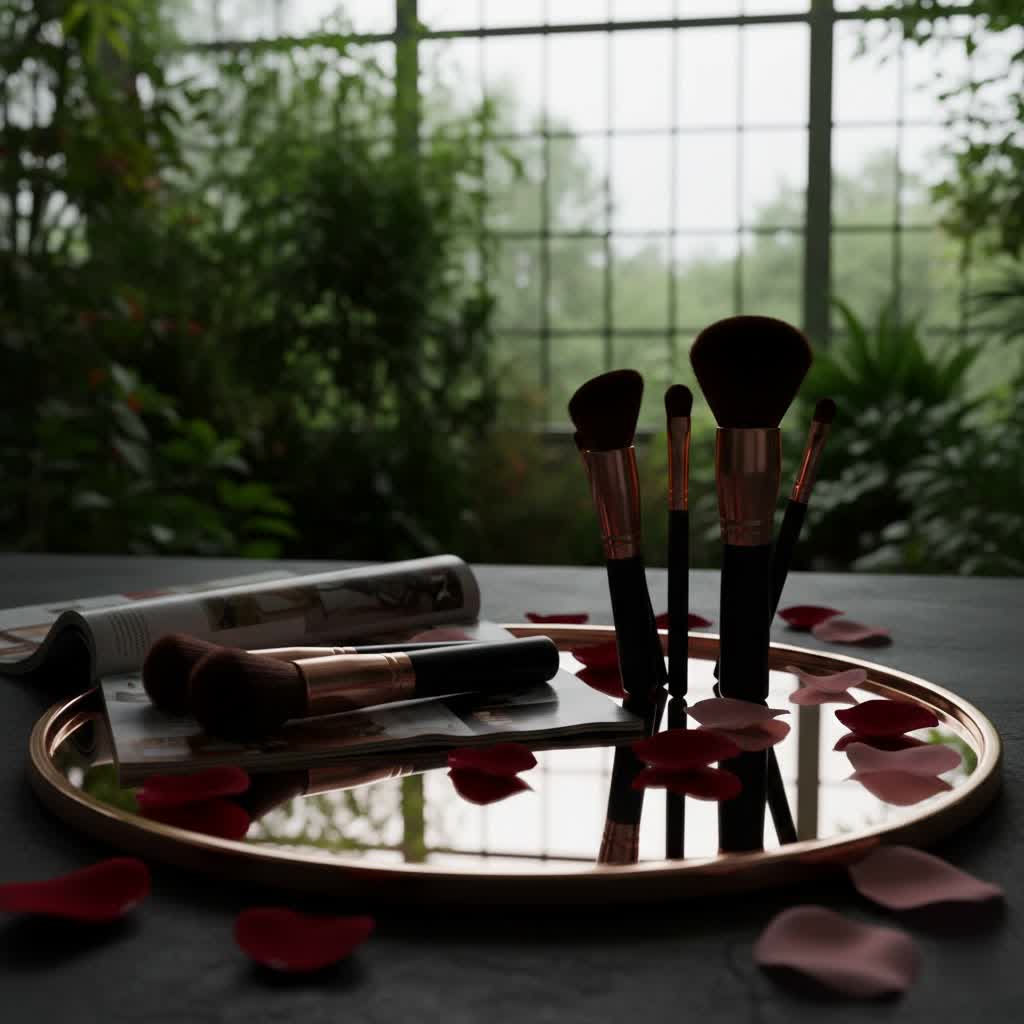
The Essential Role of Face Makeup Brushes
Face makeup brushes are far more than mere applicators; they are precision instruments designed to blend, buff, and sculpt products onto your skin with artistry. From the dense bristles that seamlessly apply foundation to the soft, fluffy heads that diffuse powder, each brush serves a unique purpose in building your desired look. Using the correct brush ensures even product distribution, prevents streaks, and allows for buildable coverage, resulting in a natural, airbrushed effect that fingers or sponges simply can’t replicate across all steps.
Decoding Face Makeup Brush Types and Their Uses
The array of face makeup brushes can seem daunting, but each type is crafted for a specific application, enhancing different aspects of your complexion.
Foundation Brushes
Foundation brushes are designed for applying liquid, cream, or powder foundations, providing varying levels of coverage and finish.
- Flat Foundation Brush: Often paddle-shaped, these brushes offer full coverage by painting the foundation onto the skin. They are great for packing on product.
- Buffing Brush: Typically dense with a flat or slightly rounded top, buffing brushes work foundation into the skin with circular motions for a smooth, airbrushed, and streak-free finish. Ideal for liquid and cream formulas.
- Stippling Brush: Featuring two layers of bristles (dense at the base, sparse at the top), stippling brushes create a light, airbrushed coverage by applying product in small dots. Excellent for sheer to medium coverage with liquid or cream foundations.
- Tapered Foundation Brush: With a pointed or domed shape, these brushes allow for precise application, especially in contoured areas, while still providing good coverage.
|
Our Picks for the Best Makeup Brushes in 2026
As an Amazon Associate I earn from qualifying purchases.
|
||
| Num | Product | Action |
|---|---|---|
| 1 | BS-MALL Makeup Brush Set 18 Pcs Premium Synthetic Foundation Powder Concealers Eye shadows Blush Makeup Brushes with black case |

|
| 2 | Bueart Design 26 Pcs Chocolate-colored Gift Makeup Brushes Set with Extra Large Holder,Elegant Make up Brushes for Foundation,Face Blending Powder, Contour, Highlight, Concealer, Eyeshadow |
|
| 3 | Flat Top Kabuki Foundation Brush By KESHIMA - Premium Makeup Brush for Liquid, Cream, and Powder - Buffing, Blending, and Face - 1.2" Top Diameter |
|
| 4 | Makeup Brushes 22 Pcs Makeup Kit,Foundation Brush Eyeshadow Brush Make up Brushes Set (Green, 22 Piece Set) |
|
| 5 | 1/2 PCS Lymphatic Contour Face Brush for Sculpting – Anti-Puffiness, Detox & Lift, Improves Skin Glow & Absorption (1 Pcs Contour Face Brush) |
|
| 6 | 300PCS Disposable Angled Eyebrow Brushes, Bulk Brow Tint Brushes, Eye Shadow Eyeliner Brush, Tinting Concealer Brushs for Women Girls Salon Beauty Cosmetic Make up Tool Esthetician Supplies |
|
| 7 | BS-MALL Professional Makeup Brush Set 18 Pcs Premium Synthetic Foundation Powder Concealers Eye Shadows Blush Makeup Brushes with Travel Case (Matte white beige) |
|
| 8 | BS-MALL Makeup Brushes Premium Synthetic Foundation Powder Concealers Eye Shadows 14 Pcs Purple for Makeup Beginner or Professional with Travel Case |
|
| 9 | BEAKEY Makeup Brushes Set, Professional Foundation Eyeshadow Concealer Blush Powder Bronzer Applicator, 2 Blender Sponge with Beauty Paper Case |
|
| 10 | MAANGE 20 Pcs Makeup Brushes with Gift Box, Double-End Multi-functional Makeup Brushes for Blending Liquid Powder Concealer Cream Blush Buffe,CoffeeBrown |
|
Concealer Brushes
Smaller and often denser than foundation brushes, concealer brushes are designed for targeted application.
- Small, Flat Concealer Brush: Ideal for precise application to cover blemishes or small imperfections.
- Fluffy Concealer Brush: A slightly larger, softer option perfect for blending concealer under the eyes or over larger areas for a seamless finish.
Powder Brushes
These brushes are typically large, soft, and fluffy, perfect for applying setting or finishing powders.
- Large Powder Brush: A classic, oversized, fluffy brush used to lightly dust loose or pressed powder over the entire face for an even, diffused finish.
- Tapered Powder Brush: Slightly smaller and more pointed, this brush allows for more targeted powder application, such as under the eyes or around the nose, while still providing a soft touch.
Blush Brushes
Blush brushes are crafted to apply color to the apples of your cheeks with precision and blendability.
- Domed Blush Brush: A soft, rounded brush that sweeps color onto the cheeks for a natural flush.
- Angled Blush Brush: The angled shape fits perfectly into the contours of the cheekbones, allowing for precise placement and easy blending, often used for both blush and light contour.
Bronzer Brushes
Generally larger and fluffier than blush brushes, bronzer brushes apply warmth and dimension to the face.
- Large Fluffy Bronzer Brush: Distributes bronzer evenly across larger areas like the cheekbones, forehead, and jawline for a sun-kissed glow.
- Angled Bronzer Brush: Similar to an angled blush brush but often larger, this helps sculpt and define the face with bronzer.
Contour Brushes
Contour brushes are designed to create shadows and define facial features.
- Angled Contour Brush: Dense and sharply angled, this brush fits perfectly under the cheekbones and along the jawline for precise contouring with powder or cream products.
- Small Tapered Contour Brush: Offers more control for detailed contouring in smaller areas like the sides of the nose or eye sockets.
Highlight Brushes
These brushes are typically small to medium-sized and designed for applying highlighter to specific high points of the face.
- Fan Brush: A thin, fanned brush that provides a very light, diffused application of highlighter, perfect for a subtle glow. It can also be used to dust away eyeshadow fallout.
- Small Tapered Highlight Brush: Ideal for concentrated application of highlighter on the cheekbones, brow bone, and cupid’s bow.
Specialty Face Brushes
Beyond the everyday essentials, some brushes serve unique purposes or offer specific application techniques.
- Kabuki Brush: Characterized by a short handle and a large, dense head, kabuki brushes are excellent for buffing in powder or mineral foundation for a full-coverage finish.
- Duo-Fibre Brush: Similar to a stippling brush, with two lengths of bristles, offering a soft, diffused finish for liquid, cream, or powder products.
Natural vs. Synthetic: Choosing the Right Bristle Material
The material of your brush bristles significantly impacts product application and performance.
| Bristle Type | Characteristics | Best For | Pros | Cons |
|---|---|---|---|---|
| Natural | Made from animal hair (e.g., goat, squirrel). Cuticles absorb product. | Powder products (blush, bronzer, eyeshadow). | Excellent for blending and picking up powder, creating a soft, diffused look. | Can absorb liquid/cream products, harder to clean, may shed, can be allergenic, generally more expensive. |
| Synthetic | Made from man-made fibers (e.g., nylon, taklon). Non-porous. | Liquid, cream, gel products (foundation, concealer, liquid blush, eyeliner). | Hygienic, durable, less shedding, easy to clean, streak-free application, vegan-friendly, more affordable. | Can sometimes be stiffer, may not diffuse powder as softly as natural bristles. |
For face makeup, synthetic brushes are often preferred, especially for liquid and cream formulas, due to their hygienic properties and ability to apply products smoothly without absorbing too much.
Your Guide to Selecting the Perfect Face Makeup Brushes
Choosing the right face makeup brushes is an investment in your makeup routine. Consider these factors to build a collection that suits your needs:
- Bristle Material: As discussed, synthetic bristles are generally recommended for liquid and cream face products, while natural bristles excel with powders. However, modern synthetic bristles are highly versatile and perform well with both.
- Shape and Size: Match the brush shape to the area of your face and the product’s intended application. A large, fluffy brush is perfect for broad powder application, while a small, dense one is best for precise concealer work. Angled brushes are excellent for contour and blush, conforming to facial curves.
- Density and Softness: Densely packed brushes provide more coverage and control, ideal for buffing foundation. Fluffier brushes offer a lighter, more diffused application, perfect for powder or blending. Softness is crucial for comfort, especially on sensitive skin.
- Handle Quality: A sturdy, well-balanced handle made from durable materials like wood or metal ensures comfortable grip and longevity. A good handle should feel good in your hand and not feel flimsy.
- Brand and Price: While high-end brands often offer exceptional quality, many affordable brands provide excellent brushes that perform just as well. Start with a few versatile, good-quality brushes rather than a large, inexpensive set of mediocre ones. Look for brushes that are well-constructed and don’t shed excessively.
Keeping Your Tools Pristine: Cleaning and Care for Face Makeup Brushes
Regular cleaning of your face makeup brushes is non-negotiable for hygiene, skin health, and optimal application. Dirty brushes can harbor bacteria, leading to breakouts and skin irritation, and can also hinder smooth product application.
Why Clean Your Brushes?
- Hygiene: Removes bacteria, dirt, oil, and dead skin cells that can accumulate.
- Skin Health: Prevents clogged pores, acne, and skin infections.
- Better Application: Ensures colors apply true to tone and blend seamlessly without muddying.
- Brush Longevity: Extends the life of your brushes, keeping bristles soft and shaped.
Frequency
- Spot Cleaning: Daily or after each use, especially for liquid/cream product brushes, using a quick-drying brush cleaning spray or solution to remove surface makeup.
- Deep Cleaning: At least once a week for brushes used on the face (foundation, concealer, blush, powder brushes). Eye brushes can be cleaned bi-weekly.
Step-by-Step Deep Cleaning Guide
- Rinse Bristles: Hold the brush under lukewarm running water, pointing the bristles downwards. Avoid getting water into the ferrule (the metal part connecting bristles to the handle) as this can loosen the glue over time.
- Lather with Cleanser: Dispense a small amount of gentle brush cleanser, baby shampoo, or mild liquid soap (like dish soap for synthetic brushes) into the palm of your hand or onto a brush cleaning mat. Gently swirl the brush bristles in the cleanser, working up a lather until the makeup residue starts to come off.
- Rinse Thoroughly: Rinse the brush again under lukewarm running water, bristles pointing downwards, until the water runs completely clear. You may need to repeat the lathering and rinsing process if the brush is very dirty.
- Squeeze Out Excess Water: Gently squeeze the bristles with your fingers or a clean paper towel to remove as much excess water as possible.
- Reshape and Dry: Reshape the brush head to its original form. Lay the brushes flat on a clean towel, preferably with the brush heads hanging off the edge of a counter, to allow air to circulate and prevent water from seeping into the ferrule. Avoid drying brushes upright, as water can degrade the glue. Allow them to air dry completely overnight.
Storage Tips
Store your clean, dry brushes in a brush roll, cup, or drawer to protect the bristles from dust and damage, helping them maintain their shape.
Top Picks: Recommended Face Makeup Brush Sets
Investing in quality face makeup brushes can significantly elevate your beauty routine. When looking for the best sets, consider options that offer a good range of brushes for various face applications. Many highly-rated sets include essential brushes for foundation, concealer, powder, blush, and contour, often featuring soft, synthetic bristles for versatile use with both liquid and powder formulas. Look for sets that emphasize dense packing for effective product pickup and seamless blending, along with ergonomic handles for comfortable use. Some excellent options are available across different price points, from affordable starter kits to luxurious professional collections, all designed to deliver a flawless finish.
Conclusion
Face makeup brushes are indispensable tools for anyone looking to achieve a polished, professional makeup look. By understanding the different types, their specific uses, and the importance of bristle materials, you can confidently build a collection that enhances your skills and simplifies your routine. Remember that proper cleaning and maintenance are just as crucial as the initial selection, ensuring your brushes remain effective and hygienic for years to come. Embrace the power of these incredible tools, experiment with techniques, and let your creativity shine through. What is your go-to face makeup brush that you can’t live without?
Frequently Asked Questions
How many face makeup brushes do I actually need?
For a comprehensive face makeup routine, you typically need 3-5 essential brushes: one for foundation, one for concealer, a large fluffy brush for powder, and at least one for blush/bronzer/contour (many are multi-purpose). As you advance, you might add more specialized brushes for specific techniques like highlighting or detailed contouring.
Can I use one brush for multiple products?
While some multi-purpose brushes exist, it’s generally best to use separate brushes for different products, especially for liquids/creams versus powders. This prevents color transfer, maintains product integrity, and ensures optimal application for each formula. However, a clean powder brush can sometimes be used for blush or bronzer in a pinch.
What’s the difference between a foundation brush and a stippling brush?
A foundation brush typically refers to a densely packed buffing brush or a flat paddle brush, offering more direct coverage. A stippling brush, characterized by its two-layered bristles (dense at the base, sparse at the top), provides a more airbrushed, sheer-to-medium coverage by lightly dotting and blending product onto the skin, creating a diffused finish.
How often should I replace my face makeup brushes?
With proper care and cleaning, high-quality face makeup brushes can last for many years. You should consider replacing a brush if its bristles become splayed, excessively shed, feel scratchy, or if the ferrule becomes loose. These are signs that the brush is no longer performing optimally and might irritate your skin or apply makeup poorly.
