Stepping into the world of makeup can feel like entering an artist’s studio, filled with an array of tools that promise to transform your canvas. Among these, makeup brushes stand as the unsung heroes, silently orchestrating flawless applications and creating stunning looks. But with countless shapes, sizes, and materials available, how do you navigate this exciting landscape to find the brushes that truly elevate your artistry? This comprehensive guide will demystify Popular Makeup Brushes, helping you understand their purposes, choose wisely, and maintain them for enduring beauty.
An Overview of Makeup Brushes
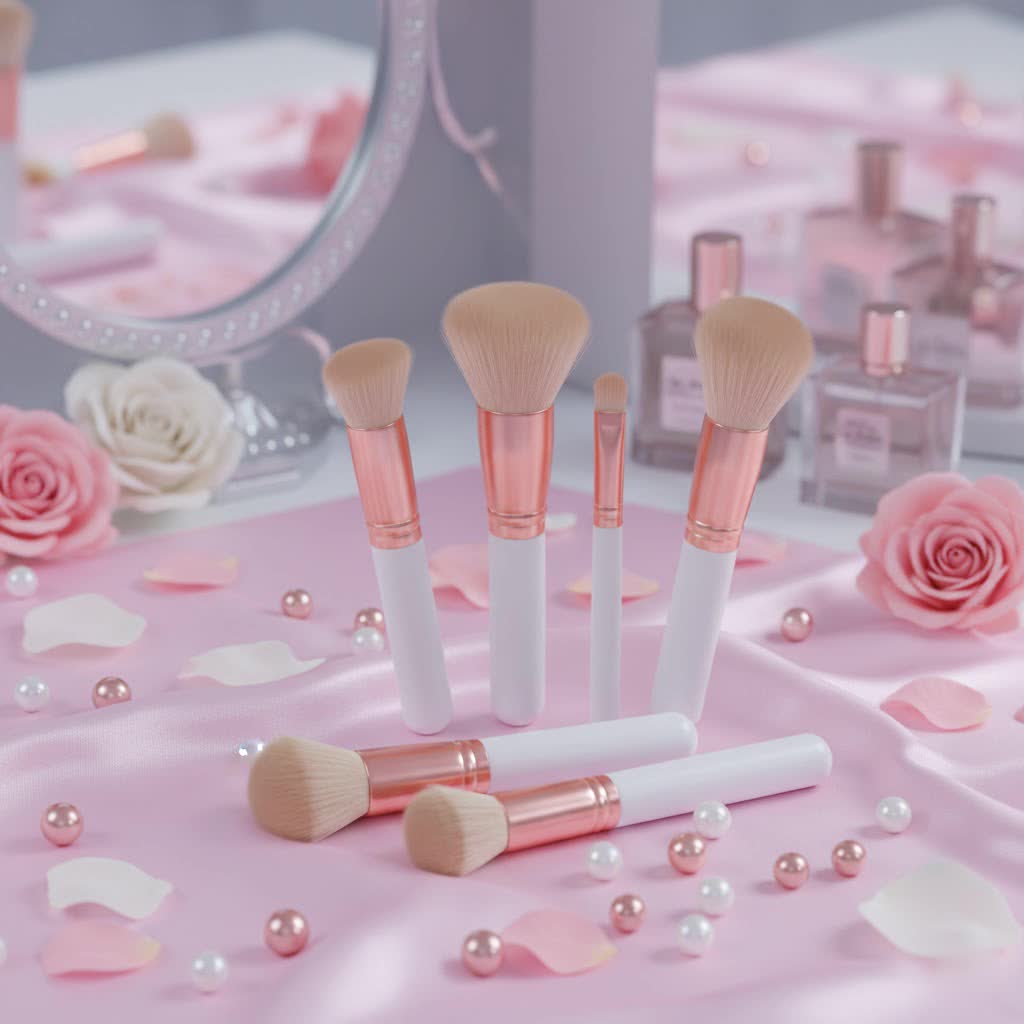
Makeup brushes are far more than simple applicators; they are precision instruments essential for achieving a polished and professional finish. From the ancient Egyptians using rudimentary tools to apply kohl to modern innovations featuring advanced synthetic fibers, brushes have continually evolved alongside cosmetic technology. Today, they are indispensable for seamlessly blending products, building coverage, and adding definition, ensuring your makeup looks effortlessly natural or strikingly dramatic, depending on your desire. Their design directly influences product pickup, transfer, and blending, making the right brush crucial for every step of your routine.
Popular Makeup Brushes for Every Application
Understanding the distinct types of makeup brushes is key to mastering your application. Each brush is meticulously designed for a specific purpose, contributing to a harmonious and well-blended look across your face, eyes, and lips.
Makeup Brushes for Face
- Foundation Brush: These brushes are typically dense and come in various shapes, such as flat, tapered, or buffing. They are perfect for applying liquid, cream, or powder foundations, ensuring smooth, streak-free coverage and a natural finish. Densely packed bristles help buff product into the skin, avoiding absorption and makeup loss.
- Concealer Brush: Smaller and denser than foundation brushes, concealer brushes offer precision for targeting blemishes, dark circles, and other imperfections. Their firm bristles allow for concentrated product application and seamless blending in smaller areas.
- Powder Brush: Large, fluffy, and soft, powder brushes are designed to evenly distribute loose or pressed powders. They provide a light, diffused application, setting makeup without caking and offering a sheer, polished finish.
- Blush Brush: Often rounded, angled, or dome-shaped with soft, fluffy bristles, blush brushes are ideal for sweeping color onto the apples of the cheeks. Their design allows for a gentle, natural flush of color.
- Bronzer Brush: These brushes are typically large and fluffy, sometimes angled, making them perfect for diffusing bronzer across broader areas like the cheekbones, forehead, and jawline. They help create a sun-kissed glow or defined contours.
- Highlight Brush: Smaller, often tapered, or fan-shaped, highlight brushes are used for precise application of highlighter to high points of the face, such as cheekbones, brow bones, and the Cupid’s bow, to catch the light.
|
Our Picks for the Best Makeup Brushes in 2026
As an Amazon Associate I earn from qualifying purchases.
|
||
| Num | Product | Action |
|---|---|---|
| 1 | Flat Top Kabuki Foundation Brush By KESHIMA - Premium Makeup Brush for Liquid, Cream, and Powder - Buffing, Blending, and Face - 1.2" Top Diameter |

|
| 2 | 300PCS Disposable Angled Eyebrow Brushes, Bulk Brow Tint Brushes, Eye Shadow Eyeliner Brush, Tinting Concealer Brushs for Women Girls Salon Beauty Cosmetic Make up Tool Esthetician Supplies |
|
| 3 | MAANGE 20 Pcs Makeup Brushes with Gift Box, Double-End Multi-functional Makeup Brushes for Blending Liquid Powder Concealer Cream Blush Buffe,CoffeeBrown |
|
| 4 | BS-MALL Professional Makeup Brush Set 18 Pcs Premium Synthetic Foundation Powder Concealers Eye Shadows Blush Makeup Brushes with Travel Case (Matte white beige) |
|
| 5 | BS-MALL Makeup Brush Set 18 Pcs Premium Synthetic Foundation Powder Concealers Eye shadows Blush Makeup Brushes with black case |
|
| 6 | 1/2 PCS Lymphatic Contour Face Brush for Sculpting – Anti-Puffiness, Detox & Lift, Improves Skin Glow & Absorption (1 Pcs Contour Face Brush) |
|
| 7 | BS-MALL Makeup Brushes Premium Synthetic Foundation Powder Concealers Eye Shadows 14 Pcs Purple for Makeup Beginner or Professional with Travel Case |
|
| 8 | Bueart Design 26 Pcs Chocolate-colored Gift Makeup Brushes Set with Extra Large Holder,Elegant Make up Brushes for Foundation,Face Blending Powder, Contour, Highlight, Concealer, Eyeshadow |
|
| 9 | BEAKEY Makeup Brushes Set, Professional Foundation Eyeshadow Concealer Blush Powder Bronzer Applicator, 2 Blender Sponge with Beauty Paper Case |
|
| 10 | Makeup Brushes 22 Pcs Makeup Kit,Foundation Brush Eyeshadow Brush Make up Brushes Set (Green, 22 Piece Set) |
|
Makeup Brushes for Eyes
- Eyeshadow Brush: Flat, fluffy, and medium-sized, an eyeshadow brush is essential for packing color onto the eyelids. It ensures vibrant pigment payoff and an even base layer of shadow.
- Blending Brush: With wide, fluffy, and often tapered bristles, blending brushes are crucial for softening harsh lines and seamlessly blending different eyeshadow shades together in the crease and outer corner. They help create a gradient effect.
- Eyeliner Brush: These brushes are typically fine, angled, or ultra-thin with firm bristles. They offer precision for applying gel, cream, or liquid eyeliner along the lash line, whether for a sharp wing or subtle definition.
- Eyebrow Brush: Often dual-ended, an eyebrow brush features an angled brush on one end for applying brow powder or pomade, and a spoolie on the other for grooming hairs and blending product for a natural look.
Makeup Brushes for Lips
- Lip Brush: Small, thin, and firm, a lip brush provides ultimate precision for applying lipstick or gloss. It allows for crisp lines, even color distribution, and the ability to mix shades for custom colors.
Comparing Different Makeup Brushes
Choosing the right makeup brush involves understanding key distinctions in their construction and materials. The choice between natural and synthetic bristles, as well as various shapes and densities, profoundly impacts application and performance.
| Type of Brush | Bristle Material | Shape & Size | Purpose | Pros | Cons |
|---|---|---|---|---|---|
| Foundation | Synthetic (common) | Dense, flat, tapered, or buffing head | Liquid, cream, powder foundations | Streak-free, good for liquids/creams | Can absorb some product |
| Powder | Natural or Synthetic | Large, fluffy, domed | Loose/pressed powders, setting | Diffused application, light finish | Less precision for targeted application |
| Blush/Bronzer | Natural or Synthetic | Medium-large, rounded, angled, or fan-shaped | Powder blush, bronzer, contour | Soft blend, builds color gradually | Can be too large for small faces |
| Eyeshadow | Natural or Synthetic | Flat (packing), fluffy (blending), tapered | Eyeshadow application & blending | Versatile for different eye looks | Requires multiple types for complexity |
| Eyeliner/Brow | Synthetic (common) | Fine, angled, firm | Gel/cream eyeliner, brow pomade/powder | Precision for sharp lines & definition | Less effective for broad applications |
| Lip | Synthetic | Small, firm, tapered | Lipstick, gloss | Crisp lines, hygienic application | Small size, takes more time |
Natural vs. Synthetic Bristles:
- Natural Hair Brushes: Often made from animal hair (e.g., goat, sable). They excel with powder products (eyeshadow, blush, bronzer) because their porous cuticles pick up and distribute pigment beautifully. They tend to be softer and create a more diffused, natural finish. However, they can be more expensive, harder to clean, and less ideal for liquid or cream products as they can absorb too much product.
- Synthetic Brushes: Made from man-made fibers (e.g., nylon, taklon). They are highly versatile, durable, easier to clean, and usually more affordable. Their non-porous nature makes them perfect for liquid, cream, and gel products (foundation, concealer, liquid blush, gel eyeliner) as they don’t absorb product and provide a smooth, streak-free application. Many modern synthetic brushes are designed to mimic the softness and performance of natural hair.
“The shape and density of a brush’s head fundamentally determine its intended use and how effectively it will apply a product. A dense brush packs color, while a fluffy one diffuses it.” – Tamekia Geer, Professional Makeup Artist
Your Essential Buying Guide for Makeup Brushes
Selecting the perfect makeup brushes involves more than just picking pretty tools. Consider these crucial factors to build a collection that truly serves your needs and enhances your makeup routine.
- Bristle Material: Decide between natural and synthetic based on the products you use most. For liquids and creams, synthetic is generally superior for hygienic and efficient application. For powders, both can work, but natural hairs often provide a softer, more diffused look. Look for cruelty-free and vegan synthetic options if ethical considerations are important to you.
- Shape and Size: The brush’s shape dictates its function. Large, fluffy brushes are for broad areas and diffused application (e.g., powder, bronzer), while smaller, denser, or angled brushes are for precision (e.g., concealer, eyeliner, contour). Ensure the brush size is proportionate to the area of your face you intend to use it on. For instance, a smaller blush brush might be better for a more petite face.
- Softness and Density: Bristles should feel soft and gentle on your skin, never prickly or irritating. Density refers to how tightly packed the bristles are; denser brushes generally offer more coverage and pigment payoff, while less dense brushes provide a sheerer, more blended application.
- Handle Design: The handle’s material, length, and ergonomic design affect comfort and control. Longer handles can offer more precision for eye makeup, while shorter, sturdier handles might be preferred for buffing foundation. Choose handles that feel balanced and comfortable in your hand.
- Brand and Price: High-quality brushes can be an investment, but they typically last longer and perform better. Brands like Hourglass, MAC, Sigma, and BK Beauty are known for their quality. However, excellent affordable options exist from brands like Real Techniques and e.l.f. Cosmetics, especially for beginners. Consider starting with a versatile set and gradually building your collection.
How to Clean and Maintain Your Makeup Brushes
Regular cleaning and proper storage are vital for extending the lifespan of your makeup brushes, ensuring hygienic application, and preventing skin breakouts.
Why Frequent Cleaning is Crucial
Brushes accumulate makeup residue, oils, dead skin cells, and bacteria over time. This can lead to ineffective product application, muddy colors, and potentially harmful bacteria transfer to your skin, causing irritation or blemishes. Regular cleaning keeps your brushes performing optimally and your skin healthy.
Steps for Proper Brush Cleaning
- Wet the Bristles: Hold the brush with the bristles facing downwards under lukewarm running water. Avoid getting water into the ferrule (the metal part connecting bristles to the handle) as this can loosen the glue.
- Apply Cleanser: Dispense a small amount of specialized brush cleanser or a gentle soap (like baby shampoo) into your palm or onto a textured brush cleaning mat.
- Lather and Swirl: Gently swirl the brush bristles in the cleanser, working up a lather. Be thorough but gentle to avoid damaging the bristles. You’ll see makeup residue rinsing away.
- Rinse Thoroughly: Rinse the brush under lukewarm running water until the water runs clear and no soap residue remains.
- Reshape and Dry: Gently squeeze out excess water with a clean towel. Reshape the bristles to their original form. Lay brushes flat on a clean towel or hang them upside down (if your brush set has this feature) to air dry completely. Avoid drying them upright, as water can seep into the ferrule and damage the brush. Allow 6-12 hours for complete drying, depending on brush density.
Storing Your Brushes
Store your clean, dry brushes in a brush roll, cup, or drawer, ideally with bristles facing up or protected, to prevent dust accumulation and maintain their shape.
Top Recommendations: The Best Makeup Brushes
Whether you’re a beginner building your first kit or a seasoned enthusiast seeking an upgrade, these popular makeup brushes and sets offer excellent performance across various price points.
Affordable Segment
- Real Techniques Expert Face Brush: A versatile brush for foundation, bronzer, or blush, praised for its affordability and blendability.
- e.l.f. Cosmetics Buffing Foundation Brush: Known for its soft, vegan synthetic bristles and effective blending of all foundation types at a budget-friendly price.
- EcoTools Fresh Face Everyday Makeup Brush Set: A cruelty-free and vegan set offering versatile brushes for a full face, known for minimal shedding and soft feel.
Mid-Range Segment
- Sigma Beauty Essential Kit: A popular choice for its ultra-soft, antimicrobial bristles and comprehensive range of face and eye brushes, often coming with a good warranty.
- BK Beauty 101 Foundation Brush: Highly regarded for its ability to seamlessly blend foundation without streaks, fitting face contours well, and making application quick and effortless.
High-End Segment
- Hourglass Ambient Soft Glow Foundation Brush: Often cited for its unique fiber technology, supersoft bristles, and angled shape that blends foundation without settling into pores.
- MAC 170 Synthetic Rounded Slant Brush: Considered an “ultimate complexion tool” by many makeup artists, excellent for foundation, cream contour, blush, and powder due to its dense, synthetic vegan bristles and ability to contour to the face.
- Bobbi Brown Full Coverage Face Brush: A luxury option with a compact head for precise, high-end blending and a full coverage finish.
These recommendations consistently appear on “best of” lists and are lauded by makeup artists and users alike for their quality and performance.
Conclusion
Embarking on your makeup journey with the right tools makes all the difference. Popular makeup brushes are not just accessories; they are extensions of your creativity, empowering you to achieve any look with precision and ease. By understanding the function of each brush, prioritizing quality materials, and committing to regular care, you unlock the full potential of your makeup artistry. So, which brush will you add to your collection next to perfect your signature look?
