The secret to a flawless makeup look often lies not just in the products you use, but in the quality of your tools. A beautiful foundation, a perfectly blended eyeshadow, or a sculpted contour can all be undermined by subpar brushes. Investing in Nice Makeup Brushes is not merely a luxury; it’s an essential step towards achieving a professional, polished finish every time. This guide will take you on a journey through the fascinating world of makeup brushes, helping you understand their types, materials, and how to choose the perfect set to elevate your beauty routine. We’ll explore everything from the foundational basics to advanced care techniques, ensuring you’re equipped with the knowledge to make informed choices and achieve stunning results.
Overview of Makeup Brushes
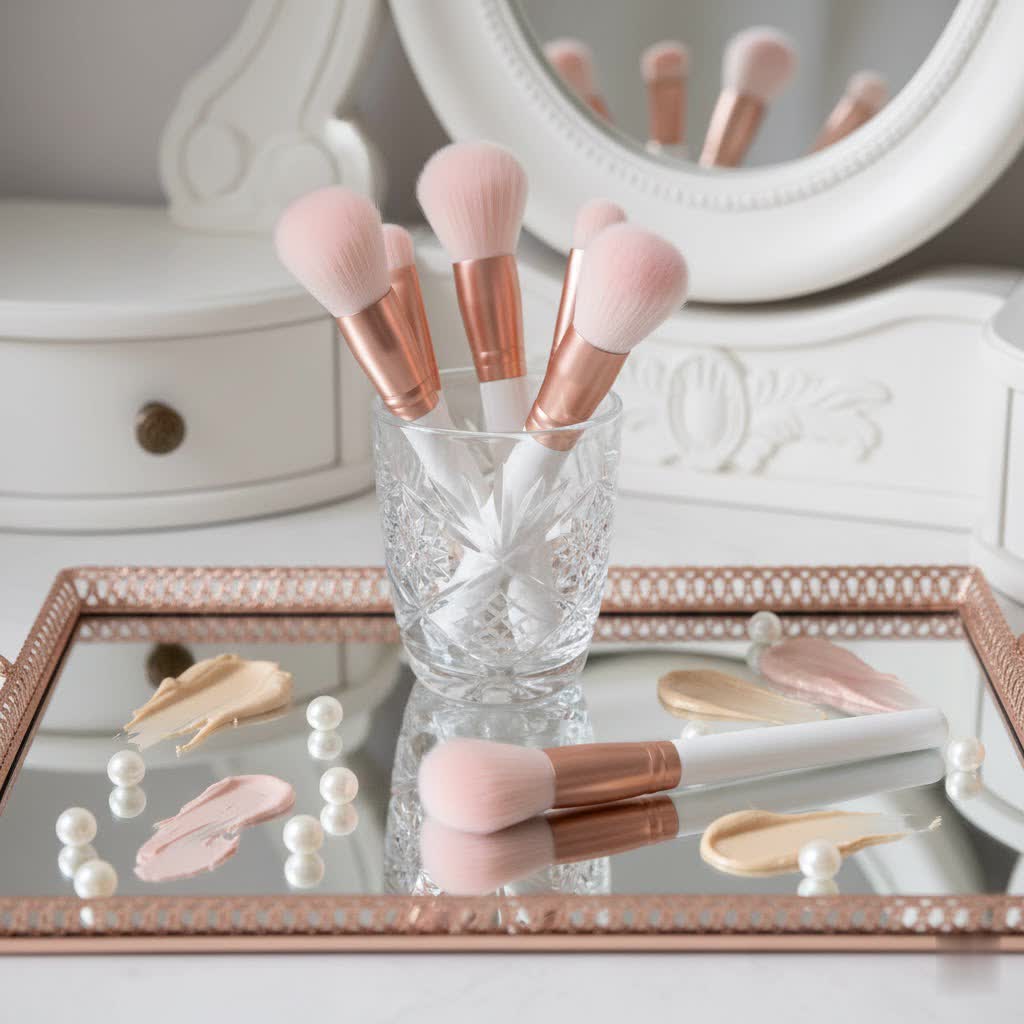
Makeup brushes are far more than just applicators; they are precision instruments designed to deposit, blend, and sculpt makeup onto the face with artistry. From ancient times, humans have sought ways to enhance their features, and while early methods might have involved rudimentary tools, modern makeup brushes have evolved into sophisticated instruments crafted from various materials and designs. They play a critical role in how seamlessly products adhere to the skin, how colors blend, and how defined your features appear. The right brush can transform a simple application into a professional masterpiece, making makeup easier to apply, more effective, and longer-lasting.
Popular Types of Makeup Brushes
Understanding the diverse range of makeup brushes available is the first step to building an effective collection. Each brush is meticulously designed for a specific purpose, catering to different products and areas of the face.
Makeup Brushes for the Face
Face brushes are the foundation of any makeup kit, essential for creating a smooth, even complexion.
- Foundation Brush: Typically dense and often flat or rounded, these brushes are perfect for applying liquid, cream, or mousse foundations. They help to buff the product into the skin, creating an even, streak-free base.
- Concealer Brush: Smaller and sometimes pointed, a concealer brush allows for precise application of concealer to cover blemishes, dark circles, or redness without tugging on delicate skin.
- Powder Brush: Large, fluffy, and soft, a powder brush is ideal for dusting loose or pressed powders over the face. It provides a light, even application to set makeup and reduce shine.
- Blush Brush: With a softer, often tapered or dome-shaped head, this brush is designed for applying blush to the apples of the cheeks. It allows for controlled color payoff and seamless blending.
- Bronzer Brush: Often fluffy and sometimes angled, a bronzer brush is used to sweep bronzer across the high points of the face for a sun-kissed glow or to add warmth. Angled versions can also assist with subtle contouring.
- Highlight Brush: Smaller and often with a tapered or fan shape, these brushes are perfect for applying highlighter to specific areas like the cheekbones, brow bone, and cupid’s bow, delivering a precise glow.
|
Our Picks for the Best Makeup Brushes in 2026
As an Amazon Associate I earn from qualifying purchases.
|
||
| Num | Product | Action |
|---|---|---|
| 1 | 300PCS Disposable Angled Eyebrow Brushes, Bulk Brow Tint Brushes, Eye Shadow Eyeliner Brush, Tinting Concealer Brushs for Women Girls Salon Beauty Cosmetic Make up Tool Esthetician Supplies |

|
| 2 | Bueart Design 26 Pcs Chocolate-colored Gift Makeup Brushes Set with Extra Large Holder,Elegant Make up Brushes for Foundation,Face Blending Powder, Contour, Highlight, Concealer, Eyeshadow |
|
| 3 | BS-MALL Makeup Brush Set 18 Pcs Premium Synthetic Foundation Powder Concealers Eye shadows Blush Makeup Brushes with black case |
|
| 4 | Flat Top Kabuki Foundation Brush By KESHIMA - Premium Makeup Brush for Liquid, Cream, and Powder - Buffing, Blending, and Face - 1.2" Top Diameter |
|
| 5 | Makeup Brushes 22 Pcs Makeup Kit,Foundation Brush Eyeshadow Brush Make up Brushes Set (Green, 22 Piece Set) |
|
| 6 | BEAKEY Makeup Brushes Set, Professional Foundation Eyeshadow Concealer Blush Powder Bronzer Applicator, 2 Blender Sponge with Beauty Paper Case |
|
| 7 | 1/2 PCS Lymphatic Contour Face Brush for Sculpting – Anti-Puffiness, Detox & Lift, Improves Skin Glow & Absorption (1 Pcs Contour Face Brush) |
|
| 8 | MAANGE 20 Pcs Makeup Brushes with Gift Box, Double-End Multi-functional Makeup Brushes for Blending Liquid Powder Concealer Cream Blush Buffe,CoffeeBrown |
|
| 9 | BS-MALL Professional Makeup Brush Set 18 Pcs Premium Synthetic Foundation Powder Concealers Eye Shadows Blush Makeup Brushes with Travel Case (Matte white beige) |
|
| 10 | BS-MALL Makeup Brushes Premium Synthetic Foundation Powder Concealers Eye Shadows 14 Pcs Purple for Makeup Beginner or Professional with Travel Case |
|
Makeup Brushes for the Eyes
Eye brushes are crucial for intricate details, from defining the crease to creating smoky effects.
- Eyeshadow Brush: Flat and dense, this brush is used to pack eyeshadow onto the eyelids, delivering intense color payoff.
- Blending Brush: A fluffy, tapered brush designed to seamlessly blend eyeshadow colors together, diffusing harsh lines and creating a smooth gradient. It’s indispensable for any eye look.
- Eyeliner Brush: With a fine, pointed, or angled tip, an eyeliner brush allows for precise application of gel, liquid, or powder eyeliner along the lash line.
- Eyebrow Brush: Often dual-ended with a spoolie on one side and an angled brush on the other, it’s used to groom brows, fill in sparse areas with powder or pomade, and define their shape.
Makeup Brushes for the Lips
Though often overlooked, a lip brush can provide superior precision for a flawless pout.
- Lip Brush: Small, flat, and firm, a lip brush is used to apply lipstick or lip gloss with precision, allowing for sharper lines and a more even distribution of color.
Natural vs. Synthetic Makeup Brushes: A Detailed Comparison
The choice between natural and synthetic bristles is a significant one, influencing both performance and ethics. Each type offers distinct advantages depending on the makeup products you prefer.
| Feature | Natural Makeup Brushes | Synthetic Makeup Brushes |
|---|---|---|
| Material | Animal hair (e.g., goat, squirrel, sable) | Man-made fibers (e.g., nylon, Taklon, polyester) |
| Best For | Powder-based products (eyeshadow, blush, bronzer, setting powder) | Liquid and cream products (foundation, concealer, cream blush, gel eyeliner) |
| Pros | – Excellent for blending and diffusing powders | – Cruelty-free and vegan-friendly |
| – Porous texture picks up and distributes powder evenly | – Easier to clean and maintain | |
| – Luxurious feel, can provide buildable coverage | – Non-porous, absorbs less product (less waste) | |
| – More durable and resilient, resists shedding and holds shape well | ||
| Cons | – Can be more expensive | – May not blend powders as seamlessly as natural bristles |
| – Requires more delicate care and maintenance | – Can feel firmer than soft natural hair | |
| – Not cruelty-free or vegan | ||
| Price | Generally higher | Generally more affordable |
Natural brushes typically feature tiny, textured scales (cuticles) that excel at picking up and distributing powder products, making them ideal for a soft, diffused finish and seamless blending. This porous nature, however, means they can absorb liquid products, leading to product waste and difficulty in cleaning.
Synthetic brushes, on the other hand, have smooth, non-porous fibers that don’t absorb product. This makes them perfect for liquids and creams, ensuring efficient application without soaking up excess makeup. They are also celebrated for being cruelty-free, easier to clean, and more durable, making them a popular choice for those prioritizing ethics and longevity. “Synthetic brushes are often preferred for liquid and cream products because they do not absorb as much product as natural brushes,” notes one beauty expert.
Your Essential Guide to Choosing Makeup Brushes (Buying Guide)
Selecting the right makeup brushes involves considering several factors beyond just their appearance. Focus on quality and functionality to build a collection that truly serves your needs.
- Bristle Material: As discussed, synthetic brushes are generally preferred for liquid and cream products due to their non-porous nature, while natural brushes excel with powders for superior blending. Many professionals opt for a mix of both. For those with sensitive skin, softer natural bristles can be gentler, though many high-quality synthetic options are also incredibly soft.
- Brush Shape and Size: The shape and density of a brush are critical for its intended purpose. Densely packed brushes are best for full coverage and pressing products into the skin (like foundation), while fluffy, less dense brushes are ideal for a light dusting of powder or diffused blending. Consider the area of your face you’ll be working on; smaller, tapered brushes are perfect for precise work around the eyes and nose, while larger, fluffy brushes cover broader areas like the cheeks and forehead.
- Softness and Durability: Quality brushes should feel soft and gentle on the skin, without scratching or irritating. The bristles should also be durable, resisting shedding and maintaining their shape even after multiple washes. Poor quality brushes often shed excessively, compromising application and longevity.
- Handle Quality: A comfortable and sturdy handle is essential for precise control during application. Look for handles made from quality materials that feel balanced in your hand and are securely attached to the ferrule (the metal part holding the bristles).
- Brand and Price: While expensive brushes can offer exceptional quality, a high price tag doesn’t always guarantee superiority. Many affordable brands now offer excellent quality synthetic brushes. Focus on “quality over quantity,” investing in a few essential, good-quality brushes rather than a large, low-quality set that you won’t fully use.
- Skin Type: For oily skin, synthetic brushes are often preferred as they absorb less product and help prevent buildup. Individuals with dry or sensitive skin might benefit from softer bristles to provide a gentler touch.
How to Clean and Care for Your Makeup Brushes
Regular cleaning and proper storage are paramount to maintaining the performance and longevity of your nice makeup brushes, and more importantly, to ensure good hygiene for your skin. Without regular cleaning, brushes can accumulate product residue, skin oils, dirt, and bacteria, potentially leading to breakouts and skin irritation.
Experts recommend cleaning your daily-use brushes at least once a week. Here’s a step-by-step guide to keep your brushes pristine:
- Gather Your Essentials: You’ll need a gentle cleanser (baby shampoo, mild soap, or a dedicated brush cleaner), lukewarm water, a small bowl (optional), and a clean towel.
- Pre-Rinse the Bristles: Hold the brush bristles under lukewarm running water, pointing the brush downwards. This loosens makeup buildup. Ensure water doesn’t get into the ferrule, as it can weaken the glue.
- Apply Cleanser: Dispense a small amount of cleanser into your palm or a bowl with lukewarm water. Gently swirl the brush bristles in the cleanser, creating a lather. For deep cleaning, use a textured cleaning mat.
- Rinse Thoroughly: Rinse the brush under running lukewarm water, ensuring all traces of makeup and cleanser are gone. Repeat the cleansing and rinsing process if the water still appears cloudy.
- Squeeze Out Excess Water: Gently squeeze the excess water from the bristles with your fingers or by pressing them against a clean paper towel. Be careful not to tug or twist aggressively.
- Reshape the Bristles: While the bristles are still damp, gently mold them back to their original shape to help maintain the brush’s form as it dries.
- Lay Flat to Air Dry: This is a crucial step. Lay your brushes flat on a clean towel with the bristles hanging over the edge of a counter. This allows air to circulate and prevents water from seeping into the ferrule, which can loosen the glue and cause shedding. Never stand wet brushes upright. Avoid using heat sources like a blow dryer, as this can damage the bristles.
- Store Correctly: Once completely dry, store your brushes in a clean, dry place, ideally in a brush holder or roll to protect them from dust and damage.
“Regularly cleaning your makeup brushes will help improve makeup application. Without regular cleaning brushes build up with product residue, oil from our skin, debris and dirt.” – Viva® Paper Towels,
Top Makeup Brush Recommendations
While specific product recommendations can vary with trends and personal preferences, certain brands and types consistently receive high praise across different price points.
- Affordable Excellence: Brands like e.l.f. Cosmetics and Real Techniques are often lauded for offering high-quality, synthetic brushes at accessible prices. Their foundation and blush brushes are frequently highlighted for their softness, effectiveness, and durability, making them excellent choices for beginners or those on a budget.
- Mid-Range Performers: Brands such as Sigma Beauty and Morphe offer a wide range of brushes and sets that provide a balance of quality and value. They are known for their soft, often antimicrobial bristles and comprehensive kits suitable for various makeup looks.
- Luxury & Professional Grade: MAC Cosmetics, Hourglass, and Pat McGrath Labs are examples of brands that produce high-end brushes favored by professional makeup artists. The MAC 170 Synthetic Rounded Slant Brush, for instance, is often cited as an ultimate complexion tool due to its dense, synthetic vegan bristles that contour to the face for a smooth, streak-free finish. Hourglass brushes, with their unique fiber technology, are also celebrated for seamless application.
When choosing, consider reviews, specific brush functions, and whether a full set or individual brushes best suit your routine. A few high-quality, versatile brushes are often more beneficial than a large collection of mediocre ones.
In conclusion, the journey to a flawless makeup application is significantly enhanced by the right tools. Understanding the different types of makeup brushes, the distinction between natural and synthetic bristles, and the essential factors for choosing them empowers you to build a collection that perfectly suits your needs. Furthermore, committing to a consistent cleaning and care routine ensures your investment lasts, performing beautifully every time. By choosing your makeup brushes wisely and maintaining them diligently, you’re not just applying makeup; you’re crafting art. What kind of makeup look will you create next with your perfectly chosen brushes?
Frequently Asked Questions
How often should I clean my makeup brushes?
For brushes used daily, such as foundation and concealer brushes, weekly cleaning is highly recommended to prevent bacteria buildup and ensure optimal performance. Other brushes used less frequently can be cleaned every two to four weeks.
Are synthetic or natural makeup brushes better for beginners?
Synthetic brushes are often recommended for beginners. They are generally more affordable, easier to clean, and work exceptionally well with liquid and cream products, which are common choices for those starting their makeup journey.
How many makeup brushes do I actually need?
Most individuals only need a core set of 6-8 versatile brushes for daily use. These typically include a foundation brush, powder brush, blush brush, a few eyeshadow brushes (for packing color and blending), and an eyebrow/spoolie brush. You can expand your collection as your skills and preferences evolve.
Can I use regular soap to clean my makeup brushes?
Yes, a gentle shampoo (like baby shampoo) or a mild bar soap can be effective for cleaning makeup brushes. However, dedicated brush cleansers are formulated to remove makeup residue thoroughly while conditioning the bristles. Avoid harsh detergents or very hot water, as these can damage the brush fibers and glue.
