Unlock a world of flawless beauty with the right tools. Makeup brushes are not just accessories; they are the wands that transform your look, allowing for seamless application, precise detailing, and a beautifully blended finish. Whether you’re a beginner building your first kit or a seasoned artist seeking to upgrade, understanding the vast array of options is key to achieving your desired aesthetic. This comprehensive guide will navigate you through the diverse landscape of makeup brushes, from their fundamental types and materials to essential buying tips and meticulous care routines. Get ready to discover the top-rated brushes that will elevate your makeup game to professional levels and help you master every stroke.
The Essential Role of Makeup Brushes
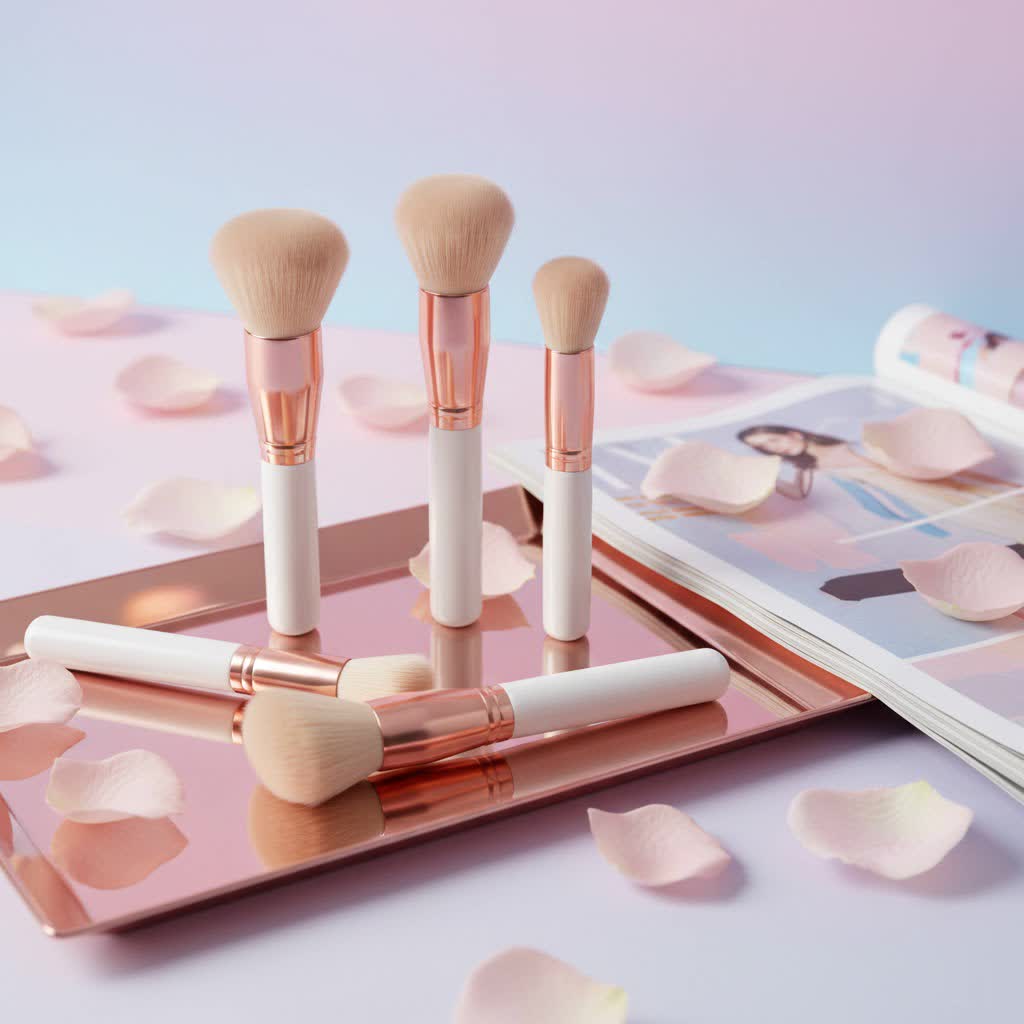
High-performing makeup brushes are an indispensable part of any cosmetic kit. While fingers and sponges can suffice for some applications, brushes provide unparalleled control, precision, and blending capabilities that are crucial for achieving a polished, full-face beat. The evolution of makeup brushes has seen them transform from simple tools to sophisticated instruments crafted with specialized bristle technologies and ergonomic designs, tailored for every conceivable makeup product and technique.
Decoding the Different Types of Makeup Brushes
The world of makeup brushes is vast, with each type designed to serve a specific purpose and optimize the application of different products. Understanding these distinctions is fundamental to building an effective collection.
Makeup Brushes for Face
These brushes are the workhorses for creating a perfect complexion base.
- Foundation Brush: Typically dense and can be flat, angled, or domed. They are perfect for applying liquid, cream, and even some powder foundations, ensuring an even, streak-free finish.
- Concealer Brush: Smaller and often tapered or angled, these brushes allow for precise application to cover blemishes, dark circles, and small imperfections.
- Powder Brush: Large, fluffy, and soft, these brushes are designed to evenly distribute loose or pressed powder across the face for setting makeup or reducing shine, providing a diffused, natural look.
- Blush Brush: Often rounded or slightly tapered, these brushes are ideal for applying blush to the apples of the cheeks, allowing for soft, buildable color.
- Bronzer Brush: Larger and fluffier than blush brushes, they are used to sweep bronzer across areas like the cheekbones, forehead, and jawline to create a sun-kissed glow or defined contours.
- Highlight Brush: Smaller, often fanned, tapered, or fluffy, these brushes are designed for precise application of highlighter to the high points of the face, such as cheekbones, brow bone, and cupid’s bow.
- Contour Brush: These brushes can be angled, paddle-shaped, or even dual-ended, crafted to sculpt and define the face by applying contour products precisely in the hollows of the cheeks, along the jawline, and on the temples.
|
Our Picks for the Best Makeup Brushes in 2026
As an Amazon Associate I earn from qualifying purchases.
|
||
| Num | Product | Action |
|---|---|---|
| 1 | Bueart Design 26 Pcs Chocolate-colored Gift Makeup Brushes Set with Extra Large Holder,Elegant Make up Brushes for Foundation,Face Blending Powder, Contour, Highlight, Concealer, Eyeshadow |

|
| 2 | MAANGE 20 Pcs Makeup Brushes with Gift Box, Double-End Multi-functional Makeup Brushes for Blending Liquid Powder Concealer Cream Blush Buffe,CoffeeBrown |
|
| 3 | BS-MALL Makeup Brush Set 18 Pcs Premium Synthetic Foundation Powder Concealers Eye shadows Blush Makeup Brushes with black case |
|
| 4 | Makeup Brushes 22 Pcs Makeup Kit,Foundation Brush Eyeshadow Brush Make up Brushes Set (Green, 22 Piece Set) |
|
| 5 | BS-MALL Makeup Brushes Premium Synthetic Foundation Powder Concealers Eye Shadows 14 Pcs Purple for Makeup Beginner or Professional with Travel Case |
|
| 6 | BEAKEY Makeup Brushes Set, Professional Foundation Eyeshadow Concealer Blush Powder Bronzer Applicator, 2 Blender Sponge with Beauty Paper Case |
|
| 7 | BS-MALL Professional Makeup Brush Set 18 Pcs Premium Synthetic Foundation Powder Concealers Eye Shadows Blush Makeup Brushes with Travel Case (Matte white beige) |
|
| 8 | Flat Top Kabuki Foundation Brush By KESHIMA - Premium Makeup Brush for Liquid, Cream, and Powder - Buffing, Blending, and Face - 1.2" Top Diameter |
|
| 9 | 1/2 PCS Lymphatic Contour Face Brush for Sculpting – Anti-Puffiness, Detox & Lift, Improves Skin Glow & Absorption (1 Pcs Contour Face Brush) |
|
| 10 | 300PCS Disposable Angled Eyebrow Brushes, Bulk Brow Tint Brushes, Eye Shadow Eyeliner Brush, Tinting Concealer Brushs for Women Girls Salon Beauty Cosmetic Make up Tool Esthetician Supplies |
|
Makeup Brushes for Eyes
Eye brushes are crucial for intricate work, allowing you to create everything from subtle definition to dramatic looks.
- Eyeshadow Brush (All-Over): Flat and dense, used to pack color onto the eyelid for maximum pigment payoff.
- Blending Brush: Fluffy with a tapered or domed shape, essential for seamlessly blending eyeshadows in the crease and diffusing harsh lines.
- Crease Brush: Typically smaller and more pointed or tapered than blending brushes, designed for precise application and blending of darker shades into the crease for depth.
- Eyeliner Brush: Very fine and either angled or pointed, perfect for applying liquid, gel, or powder eyeliner with precision along the lash line.
- Eyebrow Brush: Often a dual-ended tool featuring an angled brush on one side for filling in brows with powder or pomade, and a spoolie on the other for grooming and blending.
Makeup Brushes for Lips
While often overlooked, a lip brush can provide superior precision and hygiene for lip product application.
- Lip Brush: Small, firm, and tapered, allowing for precise application of lipstick or gloss, especially for darker or bolder shades, ensuring crisp lines and even coverage.
Natural vs. Synthetic: Choosing the Right Bristle Material
The material of your makeup brush bristles significantly impacts application, feel, and durability.
| Feature | Natural Bristles | Synthetic Bristles |
|---|---|---|
| Material | Animal hair (goat, squirrel, sable, pony) | Man-made fibers (nylon, taklon) |
| Texture | Softer, often more porous | Smooth, less porous |
| Best For | Powder products (eyeshadow, blush, powder) | Liquid, cream, gel products (foundation, concealer) |
| Absorption | Absorbs product (can be a pro for powders) | Does not absorb product (less waste for liquids) |
| Blending | Excellent for diffused, soft blending of powders | Excellent for smooth, streak-free blending of creams/liquids |
| Durability | Can be more delicate, may shed, requires gentle care | More durable, easier to clean, less prone to shedding |
| Maintenance | Requires specialized cleaning, longer drying time | Easy to clean, quicker drying time |
| Cost | Often higher due to sourcing | Generally more affordable, but high-quality synthetics exist |
| Ethical | Not cruelty-free, can trigger allergies | Cruelty-free, vegan, hypoallergenic |
While natural bristles offer a luxurious softness for powders, synthetic brushes have advanced significantly and are now widely preferred for their versatility, performance with all product types, durability, and ethical considerations. Densely packed bristles generally provide fuller coverage, while fluffier, looser bristles are ideal for a sheer, diffused look.
Your Ultimate Buying Guide for Makeup Brushes
Selecting the best makeup brushes involves considering several factors to ensure they meet your needs, skill level, and budget.
When choosing makeup brushes, bristle material is a primary consideration, with synthetic options often being preferred for their versatility with liquid and cream products and ease of cleaning. The shape and size of the brush head dictate its function; for instance, a large, fluffy brush is best for powder, while a small, angled brush excels at eyeliner. Softness and density also play crucial roles; softer bristles offer a more gentle application, while dense bristles provide greater coverage and buffing power. The handle should be comfortable to hold and balanced, whether short for precision or longer for broad strokes. Finally, considering the brand and price point is important, as many reputable brands offer high-quality brushes across various budgets.
- Bristle Material: Decide between synthetic (vegan, durable, great for liquids/creams) and natural (soft, ideal for powders, but less common and ethical concerns).
- Shape and Size: Choose brushes based on the area of the face and the specific technique. Small, dense brushes offer precision; large, fluffy brushes provide broad, diffused application.
- Softness and Density: Soft bristles feel comfortable and blend smoothly. Densely packed bristles give more coverage and buffing, while looser bristles allow for lighter application.
- Handle: Look for comfortable, ergonomic handles that are well-balanced and securely attached to the ferrule (the metal part).
- Brand and Price: High-end brands often offer exceptional quality and longevity, but many affordable brands like e.l.f. Cosmetics and Real Techniques provide excellent performance for their price.
- Individual Brushes vs. Sets: Beginners might benefit from a comprehensive brush set to cover all basic needs, while experienced users might opt for individual brushes to target specific application preferences.
Master the Art of Makeup Brush Care
Proper cleaning and storage are vital for prolonging the life of your makeup brushes, maintaining their performance, and ensuring hygienic makeup application. Neglecting brush care can lead to bacterial buildup, skin breakouts, and compromised makeup finishes.
Why Regular Cleaning is Crucial:
Regular cleaning prevents the accumulation of old makeup, oils, dead skin cells, and bacteria, which can harbor germs and lead to skin issues. Clean brushes also perform better, allowing for smoother application and truer color payoff.
Step-by-Step Cleaning Guide:
Cleaning your brushes thoroughly is simpler than you might think.
- Wet the Bristles: Gently wet the brush bristles with lukewarm water, pointing the brush head downwards to avoid water seeping into the ferrule.
- Apply Cleanser: Swirl the damp bristles onto a silicone brush cleaning mat or your palm with a small amount of gentle brush cleanser, antibacterial bar soap, or even mild baby shampoo.
- Lather and Massage: Gently massage the soap into the bristles, working up a lather to dislodge makeup residue.
- Rinse Thoroughly: Rinse the bristles under lukewarm running water, again pointing downwards, until the water runs completely clear and all soap residue is gone.
- Reshape and Dry: Gently squeeze out excess water with a clean towel, then reshape the bristles to their original form. Lay brushes flat on a clean towel or use a brush drying rack, ensuring the bristles hang freely. Avoid drying them upright, as water can loosen the glue in the ferrule over time.
How Often to Clean Your Brushes:
For brushes used with cream or liquid products (foundation, concealer), daily or weekly cleaning is recommended to prevent buildup and breakouts. For powder brushes, a bi-weekly deep clean is generally sufficient, with daily spot cleaning using a no-rinse spray cleanser.
Storage Tips:
Keeping your brushes clean and dry is paramount.
- Open Containers: Store frequently used brushes upright in a clean jar or brush holder on your vanity, ensuring they are completely dry to prevent moisture buildup.
- Drawers/Brush Rolls: For less frequently used brushes or for travel, brush rolls or drawer organizers protect bristles from dust and damage.
Top-Rated Makeup Brushes and Sets: Our Recommendations
Based on expert insights and rigorous testing, several makeup brushes and sets consistently earn high marks for their quality, performance, and user satisfaction.
- Best Overall Multitasker: The Merit Tapered Blending Brush is celebrated for its ability to seamlessly blend cream products like foundation, blush, and contour, delivering a blurred, skin-like finish with ease.
- Best Foundation Brush: The Hourglass Ambient Soft Glow Foundation Brush stands out for its unique synthetic fiber technology and angled shape, providing a seamless, streak-free application of liquid and cream foundations.
- Best Affordable Option: The Real Techniques Expert Face Makeup Brush is a budget-friendly essential, praised for its plush, dense bristles that can blend various base products, from foundation to bronzer and blush, achieving an airbrushed finish. Similarly, the e.l.f. Cosmetics Blush Brush offers professional-level results at an accessible price point, suitable for powder, cream, and liquid blushes.
- Best Brush Set for Beginners: The Sephora Collection The Total Brush Set offers great value, providing a comprehensive collection of synthetic brushes for face and eyes, making it an excellent starting point for building a versatile makeup kit. The Real Techniques Everyday Essentials kit is another top-rated set that includes brushes and a sponge for a complete face application.
- Best Concealer Brush: The Pat McGrath Labs Concealer Brush is highly regarded for its angled shape and dense bristles, allowing for precise spot correction and seamless blending under the eyes.
- Best Powder Brush: The Charlotte Tilbury Powder & Sculpt Brush is a luxurious choice, expertly crafted for evenly distributing powder products, perfect for sculpting and highlighting with a flawless finish.
- Best Eyeshadow Brush: The Rare Beauty Stay Vulnerable All-Over Eyeshadow Brush is noted for its angled, dense bristles that efficiently pack and blend eyeshadows, mimicking fingertip application for a smooth look.
Conclusion
Investing in high-quality, well-suited makeup brushes is a game-changer for any makeup routine. From achieving a flawless base with the right foundation brush to meticulously crafting eye looks with specialized blending tools, each brush plays a crucial role in enhancing your natural beauty. By understanding the different types, bristle materials, and proper care techniques, you can build a collection that serves your unique needs and helps you unlock your full makeup potential. Remember, clean brushes are happy brushes, contributing to both better application and healthier skin.
What is your favorite type of makeup brush, and how has it transformed your beauty routine?
Frequently Asked Questions
How many makeup brushes do I truly need to start?
For beginners, celebrity makeup artists recommend a core set of about six brushes: one for foundation, one for blush, a small powder brush, a fluffy eye brush for blending, and two precise brushes for detailed eye work. This provides a versatile foundation for most makeup looks.
Should I choose natural or synthetic makeup brushes?
Synthetic brushes are generally recommended for their versatility, durability, and ethical benefits. They work effectively with all makeup formulas—liquid, cream, and powder—and are easier to clean and maintain, making them a great choice for both beginners and professionals.
How often should I clean my makeup brushes?
Brushes used for liquid or cream products, such as foundation and concealer, should ideally be cleaned weekly to prevent bacteria buildup. For powder brushes, a deep clean every two weeks to a month is usually sufficient, with daily spot cleaning for maintenance.
