Stepping into the world of makeup can feel like entering a vast art supply store, full of endless tools. While fingers can work wonders for quick touch-ups, unlocking a truly polished, airbrushed, and flawless finish often hinges on one crucial element: the right makeup brushes. These aren’t just accessories; they are the architects of your look, transforming your routine from a daily task into a creative expression. But with hundreds of shapes, sizes, and materials, how do you navigate this exciting—and sometimes overwhelming—landscape?
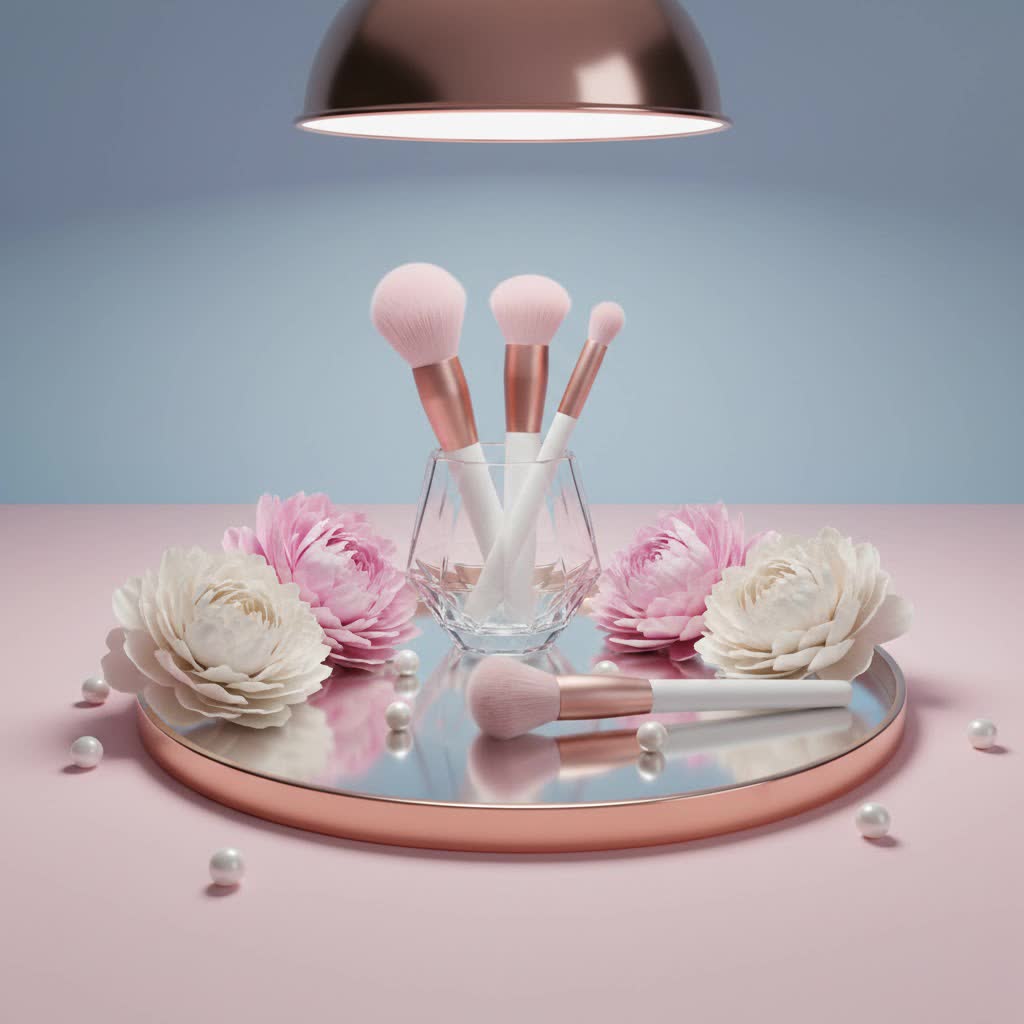
This comprehensive guide will demystify the art of makeup brushes, from understanding their core components and specific uses to helping you select the perfect tools for your needs, maintain them properly, and discover top-rated sets that elevate any makeup bag. Let’s embark on a journey to find your ultimate brush collection.
Understanding Makeup Brushes: Your Essential Beauty Tools
For centuries, tools have played a pivotal role in the application of cosmetics. From ancient kohl applicators to modern synthetic marvels, makeup brushes have evolved to meet every beauty need. Today, they are indispensable for achieving precision, seamless blending, and a hygienic application that fingers simply can’t match.
Every makeup brush, regardless of its purpose, typically consists of three main parts:
- Bristles: These are the working end of the brush, designed to pick up and deposit product. They can be natural or synthetic, each offering distinct advantages for different formulas and finishes.
- Ferrule: The metal band that connects the bristles to the handle. A well-constructed ferrule is crucial; it keeps the bristles securely in place, preventing shedding and ensuring the brush’s longevity.
- Handle: This provides the grip and balance. Handles come in various materials, lengths, and weights, influencing comfort and control during application. Longer handles can offer better balance for detailed work, while shorter ones provide more control.
Decoding the World of Makeup Brushes
The sheer variety of makeup brushes can be daunting, but understanding their individual roles simplifies the selection process. Brushes are typically categorized by the area of the face they are designed for.
Face Makeup Brushes
These are the foundation (pun intended!) of any makeup kit, essential for creating an even, sculpted complexion.
-
Foundation Brush: Designed for applying liquid, cream, or sometimes powder foundations.
- Flat Foundation Brush: Offers precise application and good coverage, ideal for liquid or cream formulas, swiping product across the face.
- Buffing Brush: Often dense with a flat or rounded top, used with circular motions to blend liquid or cream foundation for a streak-free, airbrushed finish.
- Stippling Brush: Features bristles of two distinct lengths, excellent for layering products like primer, foundation, and blush, creating a natural, diffused look. Best for liquid or cream formulas, applied with a gentle “pogo stick” motion.
- Kabuki Brush: Large, dense, and often with a short handle, perfect for applying loose powder foundation, body shimmer, or setting powder with large, circular motions for diffused coverage.
-
Concealer Brush: Smaller than a foundation brush, typically flat with firm synthetic bristles. It’s ideal for targeted coverage of blemishes and under-eye circles, patting on product gently to avoid wiping it away.
-
Powder Brush: Large, fluffy, and soft, with a domed shape. It’s used for dusting loose or pressed powders over the face to set makeup, prevent caking, or apply a light wash of color like blush.
-
Blush Brush: Medium-sized with soft, domed, or slightly tapered bristles. It allows for controlled, buildable application of powder, cream, or liquid blush to the apples of the cheeks, blending towards the temples for a natural flush.
-
Bronzer Brush: Often large and fluffy, sometimes angled, for diffusing bronzer across the high points of the face (forehead, cheekbones, jawline) for a sun-kissed glow without harsh lines. Some blush brushes can double as bronzer brushes for a lighter application.
-
Highlight Brush: Small, tapered, or fan-shaped. A fan brush lightly dusts highlighter onto cheekbones, the bridge of the nose, and the cupid’s bow, while smaller tapered brushes allow for more precise placement.
|
Our Picks for the Best Makeup Brushes in 2026
As an Amazon Associate I earn from qualifying purchases.
|
||
| Num | Product | Action |
|---|---|---|
| 1 | Makeup Brushes 22 Pcs Makeup Kit,Foundation Brush Eyeshadow Brush Make up Brushes Set (Green, 22 Piece Set) |

|
| 2 | BS-MALL Professional Makeup Brush Set 18 Pcs Premium Synthetic Foundation Powder Concealers Eye Shadows Blush Makeup Brushes with Travel Case (Matte white beige) |
|
| 3 | BS-MALL Makeup Brush Set 18 Pcs Premium Synthetic Foundation Powder Concealers Eye shadows Blush Makeup Brushes with black case |
|
| 4 | Bueart Design 26 Pcs Chocolate-colored Gift Makeup Brushes Set with Extra Large Holder,Elegant Make up Brushes for Foundation,Face Blending Powder, Contour, Highlight, Concealer, Eyeshadow |
|
| 5 | 1/2 PCS Lymphatic Contour Face Brush for Sculpting – Anti-Puffiness, Detox & Lift, Improves Skin Glow & Absorption (1 Pcs Contour Face Brush) |
|
| 6 | MAANGE 20 Pcs Makeup Brushes with Gift Box, Double-End Multi-functional Makeup Brushes for Blending Liquid Powder Concealer Cream Blush Buffe,CoffeeBrown |
|
| 7 | Flat Top Kabuki Foundation Brush By KESHIMA - Premium Makeup Brush for Liquid, Cream, and Powder - Buffing, Blending, and Face - 1.2" Top Diameter |
|
| 8 | 300PCS Disposable Angled Eyebrow Brushes, Bulk Brow Tint Brushes, Eye Shadow Eyeliner Brush, Tinting Concealer Brushs for Women Girls Salon Beauty Cosmetic Make up Tool Esthetician Supplies |
|
| 9 | BEAKEY Makeup Brushes Set, Professional Foundation Eyeshadow Concealer Blush Powder Bronzer Applicator, 2 Blender Sponge with Beauty Paper Case |
|
| 10 | BS-MALL Makeup Brushes Premium Synthetic Foundation Powder Concealers Eye Shadows 14 Pcs Purple for Makeup Beginner or Professional with Travel Case |
|
Eye Makeup Brushes
Detail-oriented and crucial for defining and enhancing your eyes, these brushes come in various shapes to master different techniques.
-
Eyeshadow Brush (Shader Brush): Flat and dense, designed to pack maximum color onto the eyelids. For a more pigmented effect, you can dampen the brush before picking up shadow.
-
Blending Brush: Fluffy and dome-shaped with softer, loosely packed bristles. Essential for softening harsh lines and creating seamless transitions between eyeshadow colors, often used in a “windshield wiper” motion in the crease.
-
Crease Brush: Smaller and tapered to fit perfectly into the eye’s natural contour. It’s used to apply darker shades to the crease, adding depth and dimension.
-
Eyeliner Brush: Can be fine-tipped for gel or liquid liners, or angled with stiff bristles for applying powder or gel liner along the lash line, creating precise lines or a smoky effect. An angled brush can also be used to fill in eyebrows.
-
Eyebrow Brush: Often dual-ended, with an angled brush on one side for filling in brows with powder or pomade, and a spoolie on the other for grooming and blending product through the brow hairs.
Lip Makeup Brushes
While many lip products come with their own applicators, a dedicated lip brush offers unmatched precision for a perfectly defined pout.
-
Lip Brush: Small and flat with firm bristles, ideal for outlining lips and filling them in with lipstick or gloss with precision, ensuring neat application and extended wear.
-
Lip Liner Brush: Similar to a lip brush but often finer and tapered, used to precisely line the lips, smooth imperfections, and gracefully shape the mouth after lipstick application.
Synthetic vs. Natural: Choosing the Right Bristle Material
The material of your brush bristles significantly impacts application, performance, and maintenance.
| Bristle Type | Material Source | Best For | Pros | Cons |
|---|---|---|---|---|
| Synthetic | Man-made fibers (e.g., nylon, taklon) | Liquid, Cream, Gel products (foundation, concealer, cream blush, liquid liner) | – Do not absorb product, saving makeup | – Can sometimes be too firm or dense for very light powder application |
| – Easy to clean and dry | – May not blend powders as seamlessly as natural bristles | |||
| – More hygienic (less prone to bacteria buildup) | ||||
| – Durable and long-lasting | – Can be too soft for some pressed powders | |||
| – Cruelty-free and vegan-friendly | ||||
| Natural | Animal hair (e.g., goat, squirrel) | Powder products (powder foundation, blush, bronzer, eyeshadow) | – Superior softness and blending capabilities | – Can absorb more product, leading to waste |
| – Picks up and distributes powders beautifully | – More challenging to clean and dry thoroughly | |||
| – Creates a diffused, natural finish | – Less hygienic due to porous nature (prone to bacteria) | |||
| – Not cruelty-free or vegan | ||||
| – Can be more expensive and prone to shedding |
For those with oily or sensitive skin, synthetic brushes are generally preferred as they absorb less product and are less likely to cause irritation. Natural bristles, with their softer touch, might benefit individuals with dry or sensitive skin for a gentler application of powders.
Your Ultimate Buying Guide for Makeup Brushes
Choosing the right makeup brushes involves more than just picking what looks pretty. Consider these factors to build a functional and effective collection:
- Bristle Material: As discussed, synthetic brushes excel with liquid and cream products, while natural bristles are superb for powders. Many high-quality brushes today are synthetic, offering both performance and ethical advantages.
- Brush Shape and Density: The shape dictates application and blending. Flat, dense brushes provide full coverage, while fluffy, soft ones are ideal for diffused application. Angled brushes offer precision for contouring, and tapered brushes are excellent for blending or targeted highlighting.
- Softness and Durability: Bristles should feel soft against the skin and not shed excessively. A sturdy handle and a tightly attached ferrule indicate a durable brush that will withstand regular use and cleaning.
- Handle Design: Consider the length and weight. Longer handles can provide more balance for broad strokes, while shorter ones offer more control for intricate details. Choose what feels most comfortable in your hand.
- Brand and Price: While quality often comes with a price, expensive doesn’t always mean best. Research reputable brands known for their brush quality. Investing in a few high-quality essential brushes is often better than a large, low-quality set that you won’t fully utilize.
- Your Makeup Routine and Skin Type: Tailor your brush choices to your daily makeup habits. A minimalist might only need a few versatile brushes, while someone who enjoys elaborate looks will benefit from a broader range. For oily skin, synthetic brushes are often preferred to prevent product buildup, while softer natural bristles can be gentler for dry or sensitive skin.
- Avoid Unnecessary Brush Sets: While tempting, many brush sets include brushes you may never use. Focus on purchasing individual brushes that cater to your specific needs and techniques.
Extend the Life of Your Brushes: Cleaning and Care
Regular cleaning and proper storage are vital for the longevity of your makeup brushes, ensuring hygienic application and optimal performance.
Why Clean Your Brushes?
Dirty brushes can harbor bacteria, leading to breakouts, skin irritation, and even infections. Product buildup also compromises the brush’s effectiveness, making application patchy or streaky and shortening its lifespan.
How Often Should You Clean Your Brushes?
- Foundation and Concealer Brushes: Once a week.
- Eye Makeup Brushes: Bi-weekly.
- Other Brushes (non-daily users): Once a month.
- Spot Cleaning: Ideally, spot clean daily with a quick-drying spray to remove surface product between deep washes.
Step-by-Step Deep Cleaning:
- Wet the Bristles: Hold the brush bristles-down under lukewarm water. Be careful to avoid getting water into the ferrule, as this can weaken the glue and cause bristles to shed.
- Apply Cleanser: Dispense a small amount of mild baby shampoo, gentle liquid soap, or a dedicated brush cleanser into your palm or onto a textured brush-cleaning mat.
- Swirl and Lather: Gently swirl the wet brush in the cleanser, working up a lather and massaging the bristles to release makeup residue.
- Rinse Thoroughly: Rinse the brush under lukewarm water, bristles-down, until the water runs completely clear. Repeat steps 2-3 if necessary.
- Squeeze and Reshape: Gently squeeze out excess water with your fingers or a clean towel, then carefully reshape the bristles to their original form.
- Lay Flat to Dry: Lay brushes flat on a clean towel or a mesh drying rack with the brush head hanging over the edge. Never dry brushes upright in a container, as water can seep into the ferrule and loosen the glue. Allow them to air dry completely, ideally overnight.
Storage Tips:
Store your clean, dry brushes in a brush roll, a clean drawer, or a marble/ceramic jar with the bristles facing up. Keeping them protected prevents damage to the bristles and minimizes exposure to dust and bacteria.
Top Picks: Best Makeup Brush Sets for Every Budget
Investing in the right tools makes a significant difference in your makeup application. Here are some highly-rated options across various price points:
Affordable Excellence:
- e.l.f. Cosmetics Blush Brush: A budget-friendly essential praised for its soft, tapered synthetic bristles that seamlessly blend powder, cream, and liquid blushes for a natural finish. It can also be used for bronzer, making it a versatile multitasker.
- Real Techniques Expert Face Makeup Brush: An affordable, multi-purpose synthetic brush with a rounded/domed shape, excellent for applying and blending foundation, bronzer, or blush to an airbrushed finish. The ultra-plush bristles are effective with all formulas.
Mid-Range Marvels:
- Sephora Collection The Total Brush Set: This set offers great value, covering essential face and eye brushes with vegan, supersoft synthetic bristles. It comes in a travel-friendly pouch, perfect for beginners looking to build a comprehensive collection.
High-End Indulgences:
- Merit Tapered Blending Brush (Brush No. 1): A do-it-all, ultrasoft synthetic blending brush with dense, tapered bristles. It excels at buffing in cream and liquid products like foundation, blush, and contour, delivering a streak-free, skin-like finish. Its compact size makes it ideal for travel.
- Hourglass Ambient Soft Glow Foundation Brush: Known for its unique vegan fiber technology and angled shape, this synthetic brush mimics fingertip application for seamless liquid or cream foundation blending without settling into pores or fine lines, providing full coverage.
- Charlotte Tilbury Powder & Sculpt Brush: A luxurious, ultrasoft synthetic brush with a hand-pulled, tapered shape. It’s excellent for evenly distributing powder products like bronzer, blush, and highlighter, aiding in sculpting and highlighting.
- Pat McGrath Labs Concealer Brush: Featuring a 40-degree slanted synthetic brush head, it allows for precise placement and even blending of cream and liquid concealers, achieving a blurred finish under the eyes or seamless spot correction.
- Patrick Ta Dual-Ended Sculpting Brush: Offers versatility with two synthetic brush ends: one skinnier and angled for precise sculpting (nose, eyes) and another fluffier for broader application (cheeks, forehead) of cream, liquid, or powder bronzers and blushes.
- Sigma Beauty Brush Sets: Sigma is renowned for its award-winning brushes crafted from fine materials. Their sets cater to various needs, from basic essentials to professional artistry, emphasizing precision and efficiency. The Essential Travel Brush Set is recommended for beginners.
- Ogee The Blender Brush: A multipurpose synthetic brush with soft, densely packed bristles that seamlessly blends both dry and wet products for a smooth, second-skin finish, suitable for foundation, blush, bronzer, contour, and concealer.
- Rare Beauty Soft Pinch Blush Brush: An angled synthetic brush with feathery bristles that perfectly hug the contours of the face, ideal for applying liquid and cream blushes with precision, mimicking fingertip bounce for seamless, diffused blending.
Conclusion
Choosing the best makeup brushes is an investment in your beauty routine. By understanding the different types, the benefits of various bristle materials, and factors like shape, density, and quality, you can build a collection that genuinely serves your unique needs and preferences. Remember, quality over quantity and proper care are the keys to long-lasting tools and consistently flawless results. So, whether you’re a seasoned pro or just starting your beauty journey, take the time to select your allies wisely.
What’s one makeup brush you can’t live without, and why? Share your favorites and discover how the right tools can truly elevate your everyday artistry.
Frequently Asked Questions
What is the best material for makeup brushes?
The “best” material depends on the product. Synthetic bristles (nylon, taklon) are ideal for liquid, cream, and gel formulas as they don’t absorb product and are easy to clean, making them more hygienic and cruelty-free. Natural bristles, often from animal hair, excel with powder products, offering superior softness and blending capabilities for a diffused finish. Many professionals recommend a mix or favoring synthetics due to their versatility and ease of maintenance.
How often should I clean my foundation brush?
Foundation brushes, especially those used with liquid or cream formulas, should be deep cleaned at least once a week to prevent product buildup and bacterial growth. For daily hygiene, a quick spot clean with an antibacterial spray can be done after each use, followed by a thorough wash at the end of the week.
Are expensive makeup brushes worth it?
Investing in high-quality makeup brushes can be worthwhile. More expensive brushes often feature superior bristle materials, better construction (e.g., securely crimped ferrules), and ergonomic handles, leading to better application, less shedding, and greater longevity. While affordable options exist, a few quality brushes can outperform numerous cheaper ones, making them a long-term investment in your beauty routine.
What brushes do I really need as a beginner?
For beginners, a basic kit of 3-7 versatile brushes is usually sufficient. Essential brushes include a foundation brush (or beauty sponge), a powder brush, a blush brush (which can also apply bronzer/highlighter), a flat eyeshadow brush for packing color, and a fluffy blending brush for seamless eye looks. An eyebrow brush with a spoolie is also highly recommended.
Can I use dish soap to clean my makeup brushes?
Yes, a gentle dish soap, like Dawn, can be used for deep cleaning makeup brushes, particularly for oil-based foundations and concealers, as it effectively breaks down makeup residue. However, mild baby shampoo or a dedicated brush cleanser are often recommended as they are gentler on bristles, especially natural ones, helping to maintain their softness and prevent drying them out. Always rinse thoroughly to remove all soap residue.
