Stepping into the world of makeup can feel both exciting and overwhelming, especially when faced with an array of brushes that all seem to do the same thing. You’re not alone if you’ve ever wondered which makeup brushes are truly essential and how to use them effectively. This comprehensive guide is specifically designed for beginners, cutting through the confusion to equip you with the knowledge and confidence to select, use, and maintain the perfect makeup brushes for your needs, transforming your routine from daunting to delightful.
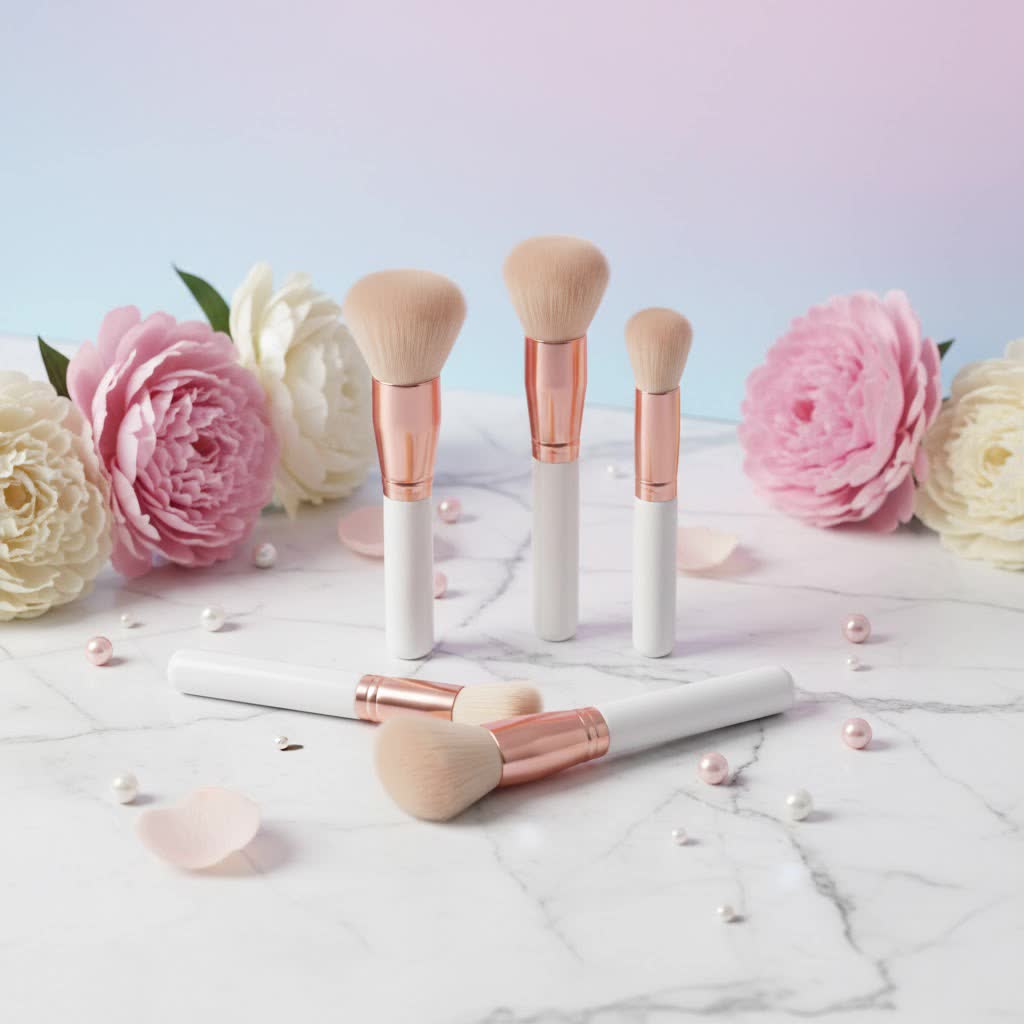
The World of Makeup Brushes for Beginners: An Overview
Makeup brushes are far more than just tools; they are the extensions of your artistic vision, allowing for seamless application, blending, and precision that fingers or sponges simply cannot achieve for every step. From achieving a flawless base to defining your eyes with intricate detail, the right brush makes all the difference in the final look and the ease of application. Understanding the basic types and their functions is the first step in building a versatile and effective makeup kit tailored for beginners. With a few key brushes, you can unlock a world of possibilities and elevate your everyday makeup game.
Essential Makeup Brushes for Your Beginner Kit
Starting your makeup brush collection doesn’t mean buying every brush on the market. Instead, focus on a core set that offers versatility and covers the fundamental steps of a full face. Here’s a breakdown of the essential makeup brushes every beginner should consider:
Face Brushes for a Flawless Canvas
Building a smooth and even base is crucial for any makeup look. These brushes are your allies in achieving a refined complexion:
- Foundation Brush:
- Types: For beginners, a buffing foundation brush (dense, rounded, or flat-top kabuki) is excellent for liquid, cream, or powder foundations, providing an airbrushed, streak-free finish through circular motions. A flat foundation brush can offer more precise application, ideal for building coverage.
- Use: Apply product to the back of your hand, then pick it up with the brush. Buff into the skin using gentle, circular motions for seamless blending.
- Concealer Brush:
- Description: Small, flat, and typically synthetic, this brush allows for targeted application.
- Use: Ideal for precisely applying liquid or cream concealer to blemishes, redness, or under-eye circles. Pat gently to blend without disturbing your foundation.
- Powder Brush:
- Description: Large, fluffy, and soft, a powder brush is indispensable for setting your makeup.
- Use: Lightly sweep loose or pressed powder across your face to set liquid products, reduce shine, and ensure longevity. A fluffy brush prevents a “cakey” finish by distributing product evenly.
- Blush Brush:
- Description: Medium-sized with soft, often domed or angled bristles.
- Use: Apply blush to the apples of your cheeks for a healthy flush. An angled brush can also be used for bronzer or subtle contouring.
- Bronzer/Contour Brush:
- Description: Can be fluffy and angled for bronzer, or more dense and angled for precise contouring.
- Use: For bronzer, sweep lightly where the sun would naturally hit your face (forehead, cheekbones, jawline). For contour, use an angled brush to define hollows of the cheeks, jawline, and temples.
- Highlight Brush:
- Description: Smaller, often tapered, or fan-shaped for precise placement of highlighter.
- Use: Dust highlighter onto the high points of your face, such as cheekbones, brow bone, bridge of the nose, and cupid’s bow, to add radiance.
|
Our Picks for the Best Makeup Brushes in 2026
As an Amazon Associate I earn from qualifying purchases.
|
||
| Num | Product | Action |
|---|---|---|
| 1 | BS-MALL Makeup Brush Set 18 Pcs Premium Synthetic Foundation Powder Concealers Eye shadows Blush Makeup Brushes with black case |

|
| 2 | 300PCS Disposable Angled Eyebrow Brushes, Bulk Brow Tint Brushes, Eye Shadow Eyeliner Brush, Tinting Concealer Brushs for Women Girls Salon Beauty Cosmetic Make up Tool Esthetician Supplies |
|
| 3 | Flat Top Kabuki Foundation Brush By KESHIMA - Premium Makeup Brush for Liquid, Cream, and Powder - Buffing, Blending, and Face - 1.2" Top Diameter |
|
| 4 | Makeup Brushes 22 Pcs Makeup Kit,Foundation Brush Eyeshadow Brush Make up Brushes Set (Green, 22 Piece Set) |
|
| 5 | Bueart Design 26 Pcs Chocolate-colored Gift Makeup Brushes Set with Extra Large Holder,Elegant Make up Brushes for Foundation,Face Blending Powder, Contour, Highlight, Concealer, Eyeshadow |
|
| 6 | BS-MALL Professional Makeup Brush Set 18 Pcs Premium Synthetic Foundation Powder Concealers Eye Shadows Blush Makeup Brushes with Travel Case (Matte white beige) |
|
| 7 | BEAKEY Makeup Brushes Set, Professional Foundation Eyeshadow Concealer Blush Powder Bronzer Applicator, 2 Blender Sponge with Beauty Paper Case |
|
| 8 | 1/2 PCS Lymphatic Contour Face Brush for Sculpting – Anti-Puffiness, Detox & Lift, Improves Skin Glow & Absorption (1 Pcs Contour Face Brush) |
|
| 9 | MAANGE 20 Pcs Makeup Brushes with Gift Box, Double-End Multi-functional Makeup Brushes for Blending Liquid Powder Concealer Cream Blush Buffe,CoffeeBrown |
|
| 10 | BS-MALL Makeup Brushes Premium Synthetic Foundation Powder Concealers Eye Shadows 14 Pcs Purple for Makeup Beginner or Professional with Travel Case |
|
Eye Brushes to Define Your Gaze
Eye makeup can dramatically change your look, and these brushes are fundamental for creating everything from subtle to striking eyes:
- Eyeshadow Shader Brush:
- Description: Flat, dense bristles, often paddle-shaped.
- Use: Perfect for packing on color directly onto the eyelid, ensuring intense pigment payoff.
- Eyeshadow Blending Brush:
- Description: Fluffy, dome-shaped bristles. Often considered the “windshield wiper” brush.
- Use: Essential for diffusing harsh lines and seamlessly blending different eyeshadow shades in the crease and outer corner for a soft, gradient effect.
- Eyeliner Brush:
- Description: Very thin, pointed, or angled with stiff bristles.
- Use: Ideal for precise application of gel, cream, or liquid eyeliner along the lash line. An angled brush can also be used to create a subtle winged liner or fill in brows with powder.
- Eyebrow Brush (with Spoolie):
- Description: Typically dual-ended, with an angled brush on one side and a spoolie (mascara-like wand) on the other.
- Use: The angled brush fills in sparse areas with brow powder or pomade, while the spoolie combs hairs into place and blends out harsh lines for a natural look.
Lip Brush for a Perfect Pout
While not always considered “essential” for beginners who prefer direct lipstick application, a lip brush offers unparalleled precision.
- Lip Brush:
- Description: Small, flat, and firm with a tapered tip.
- Use: Allows for precise application of lipstick or lip gloss, creating crisp lines and preventing feathering. It’s also great for mixing shades or reaching the last bit of product in a tube.
Decoding Brush Anatomy: Natural vs. Synthetic Bristles
Understanding the type of bristles in your makeup brushes is key to choosing the right tool for each product and achieving your desired finish. Brushes primarily come with two types of bristles: natural hair and synthetic fibers.
| Feature | Natural Bristles | Synthetic Bristles |
|---|---|---|
| Material | Animal hair (goat, squirrel, sable, pony, etc.) | Man-made fibers (nylon, Taklon, polyester) |
| Texture | Softer, often more porous, with cuticles | Smooth, less porous, typically firmer |
| Product Type | Best for powder products (eyeshadow, blush, powder, bronzer) | Best for liquid, cream, and gel products (foundation, concealer, liquid lipstick, gel liner) |
| Application | Picks up and distributes powder evenly, allows for buildable color, excellent for blending | Applies product smoothly without absorption, provides good coverage, less streaking with liquids |
| Maintenance | Can be harder to clean, prone to shedding, may require more gentle care | Easier to clean, dries faster, less prone to shedding |
| Durability | Can last long with proper care, but more delicate | Generally very durable and long-lasting |
| Cost | Often more expensive | Generally more affordable |
| Ethical Aspect | Not always cruelty-free | Typically vegan and cruelty-free |
| Key Advantage | Superior blending and soft, diffused application for powders | Non-absorbent, hygienic, precise application for wet formulas |
Brush Shapes and Sizes: The shape and size of a brush are directly related to its intended use and the area of the face it’s designed for. Large, fluffy brushes are for broad strokes and light application (like powder or bronzer). Densely packed, flat or rounded brushes are for concentrated product placement and buffing (like foundation). Smaller, tapered, or angled brushes are for precision work (like eyeliner, detailed eyeshadow, or brows). For beginners, versatile shapes that can serve multiple purposes are often a good starting point.
Your Ultimate Buying Guide: Choosing the Right Makeup Brushes
Choosing the perfect makeup brushes can seem daunting, but by focusing on a few key factors, you can build a collection that works perfectly for you.
- Consider Bristle Material: As discussed, synthetic bristles are generally recommended for beginners, especially for liquid and cream products, as they are non-absorbent, hygienic, and easier to clean. They are also often more affordable and cruelty-free. If you primarily use powder products, a mix of synthetic and natural-feel synthetic brushes can be beneficial for superior blending.
- Assess Brush Shape and Size: Think about the areas you’ll be applying makeup.
- For broad areas like the face, opt for larger, fluffier brushes.
- For precise areas like the under-eyes or eyelids, choose smaller, more specialized shapes.
- Versatile shapes, like a domed blush brush that can also apply bronzer, maximize your investment.
- Feel for Softness and Density: Good brushes should feel soft against your skin, not scratchy. Density refers to how tightly packed the bristles are. Denser brushes offer more coverage and control (e.g., foundation), while fluffier brushes provide a sheerer application and excellent blending (e.g., powder, eyeshadow blending).
- Examine the Handle: The handle should feel comfortable and balanced in your hand, allowing for easy grip and control during application. Look for handles made of wood or plastic that feel sturdy.
- Brand and Price Considerations: You don’t need to splurge on high-end brushes right away. Many drugstore and mid-range brands offer excellent quality beginner-friendly brush sets. Start with a few essential, good-quality brushes rather than a large, low-quality set. As you gain experience, you can gradually expand your collection and invest in specialized brushes if needed.
“For beginners, the key isn’t to own every brush, but to own a few versatile, good-quality brushes that you understand how to use. Focus on function over quantity.” – Admin, reviewmwta.com
Keep Your Tools Pristine: Cleaning and Maintaining Makeup Brushes
Regular cleaning and proper storage are vital for extending the life of your makeup brushes, ensuring hygienic application, and achieving the best results.
Why Clean Your Brushes?
Dirty brushes can harbor bacteria, old makeup residue, and oils, which can lead to skin irritation, breakouts, and uneven makeup application. Clean brushes perform better, blend more smoothly, and keep your skin healthy.
How Often to Clean
- Face brushes (foundation, concealer, powder): Ideally once a week, especially if used daily.
- Eye brushes (eyeshadow, eyeliner): Every 1-2 weeks, or more frequently if you use vibrant colors to prevent color transfer.
- Spot cleaning: For daily use, a quick spray of an alcohol-based brush cleaner on a paper towel can refresh brushes between deep cleans.
Step-by-Step Deep Cleaning Process
- Wet the Bristles: Hold the brush under lukewarm, running water with the bristles pointed downwards. Avoid getting water into the ferrule (the metal part), as this can dissolve the glue and loosen the bristles.
- Apply Cleanser: Dispense a small amount of gentle brush cleanser, mild shampoo (like baby shampoo), or even a mild face cleanser into your palm or onto a textured brush cleaning mat.
- Swirl and Lather: Gently swirl the brush bristles in the cleanser using circular motions. You’ll see makeup residue coming off.
- Rinse Thoroughly: Rinse the brush under lukewarm running water, again with bristles pointed downwards, until the water runs clear and all soap residue is gone.
- Squeeze Excess Water: Gently squeeze the bristles with your fingers or a clean towel to remove excess water. Reshape the brush head to its original form.
- Lay Flat to Dry: Lay your brushes flat on a clean towel or on a brush drying rack, with the bristles hanging slightly off the edge of a counter. This prevents water from seeping into the ferrule and allows air to circulate for even drying. Allow them to air dry completely, ideally overnight.
Storage Tips
Store your brushes upright in a cup or lying flat in a drawer or brush roll to protect their shape and keep them free from dust and debris.
Top Picks: Best Makeup Brush Sets for Beginners
Investing in a well-curated makeup brush set can be a smart move for beginners, offering a variety of essential tools at a great value. Here are some highly-rated and beginner-friendly options across different price points:
- Affordable (Drugstore Brands):
- Real Techniques Everyday Essentials Set: A cult favorite, this set often includes a foundation brush, powder brush, blush brush, and an eyeshadow brush, plus a beauty sponge. Known for soft, synthetic bristles and versatility.
- e.l.f. Cosmetics Flawless Face 6 Piece Brush Collection: Offers good quality at a very budget-friendly price, typically including brushes for foundation, powder, concealer, eyeshadow, and brows.
- EcoTools Start the Day Beautifully Kit: An eco-friendly option with soft, synthetic bristles, usually featuring brushes for foundation, powder, blush, and eyes.
- Mid-Range:
- Morphe Brush Sets: Morphe offers a wide range of sets, from comprehensive full-face collections to eye-specific sets. Their synthetic brushes are popular for both quality and value.
- Sigma Beauty Brush Sets (Essentials/Basic Kits): While slightly higher in price, Sigma brushes are known for their exceptional quality and durability, making them a worthwhile investment for those looking to upgrade after mastering the basics. They often have beginner-specific sets.
When choosing a set, check the contents to ensure it aligns with the essential brushes recommended in this guide. Look for sets that offer a good mix of face and eye brushes to cover your primary needs.
Conclusion
Embarking on your makeup journey with the right tools makes all the difference. Understanding the fundamental types of makeup brushes for beginners, their unique functions, and proper care will not only enhance your application skills but also prolong the life of your precious tools. Remember, a few well-chosen, versatile brushes are far more valuable than a vast collection you don’t know how to use. By focusing on essentials and committing to regular cleaning, you’re well on your way to achieving flawless makeup looks with confidence.
What essential makeup brush has made the biggest difference in your routine?
