The world of eye makeup is a canvas, and the right brushes are your essential tools. For any makeup enthusiast, from beginner to seasoned artist, selecting the best eye makeup brushes is crucial for achieving flawless, captivating looks. Whether you aim for a subtle daytime shimmer or a dramatic smoky effect, the quality and type of your brushes significantly impact the application, blending, and overall finish of your eye makeup. This comprehensive guide will navigate you through the diverse array of eye makeup brushes, helping you understand their purposes, compare options, and choose the perfect set to elevate your beauty routine.
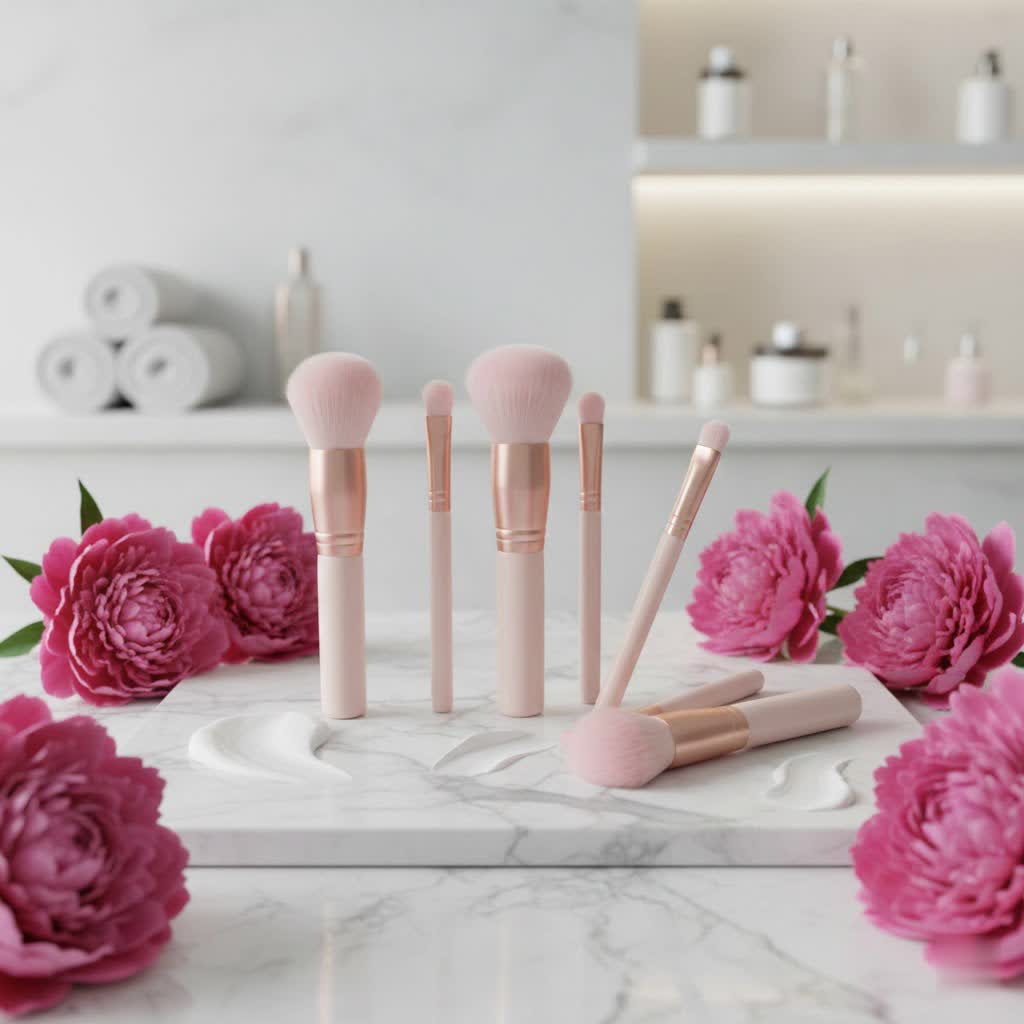
Overview of Eye Makeup Brushes
Eye makeup brushes are more than just accessories; they are fundamental instruments that enable precise application and seamless blending of various eye products. From packing on eyeshadow pigments to defining intricate lines, each brush is designed with a specific task in mind, contributing to a polished and professional result. The evolution of makeup brushes traces back centuries, with early versions crafted from natural materials, transforming into the sophisticated, specialized tools we use today.
Popular Types of Eye Makeup Brushes
Understanding the different eye makeup brush types is the first step toward mastering your eye looks. Each brush boasts a unique shape, size, and bristle density tailored for particular applications.
Eyeshadow Brushes:
These are the workhorses for applying color to your eyelids.
- Flat Shader Brush: With dense, flat bristles, this brush is ideal for packing eyeshadow onto the eyelid, delivering intense color payoff. It’s excellent for applying a base shade or for pressing shimmery pigments onto the lid.
- Blending Brush: Often fluffy with a dome or tapered shape, blending brushes are crucial for softening harsh lines and diffusing eyeshadow seamlessly. A fluffy eyeshadow brush is suitable for applying a light shade all over the eyelid. They are essential for creating gradient effects and a professional finish.
- Crease Brush: Typically smaller and tapered, a crease brush is designed to fit perfectly into the eye’s natural crease. It’s used for applying and blending darker shades to add depth and dimension to your eyes. A small, round eyeshadow brush is ideal for applying darker shades to the crease.
- Pencil Brush: Small and precise, a pencil brush excels at detailing. It’s perfect for smudging eyeliner or eyeshadow along the lash line, defining the outer “V” of the eye, or highlighting the inner corner.
|
Our Picks for the Best Makeup Brushes in 2026
As an Amazon Associate I earn from qualifying purchases.
|
||
| Num | Product | Action |
|---|---|---|
| 1 | BS-MALL Makeup Brush Set 18 Pcs Premium Synthetic Foundation Powder Concealers Eye shadows Blush Makeup Brushes with black case |

|
| 2 | BS-MALL Professional Makeup Brush Set 18 Pcs Premium Synthetic Foundation Powder Concealers Eye Shadows Blush Makeup Brushes with Travel Case (Matte white beige) |
|
| 3 | Bueart Design 26 Pcs Chocolate-colored Gift Makeup Brushes Set with Extra Large Holder,Elegant Make up Brushes for Foundation,Face Blending Powder, Contour, Highlight, Concealer, Eyeshadow |
|
| 4 | Flat Top Kabuki Foundation Brush By KESHIMA - Premium Makeup Brush for Liquid, Cream, and Powder - Buffing, Blending, and Face - 1.2" Top Diameter |
|
| 5 | BS-MALL Makeup Brushes Premium Synthetic Foundation Powder Concealers Eye Shadows 14 Pcs Purple for Makeup Beginner or Professional with Travel Case |
|
| 6 | Makeup Brushes 22 Pcs Makeup Kit,Foundation Brush Eyeshadow Brush Make up Brushes Set (Green, 22 Piece Set) |
|
| 7 | MAANGE 20 Pcs Makeup Brushes with Gift Box, Double-End Multi-functional Makeup Brushes for Blending Liquid Powder Concealer Cream Blush Buffe,CoffeeBrown |
|
| 8 | 300PCS Disposable Angled Eyebrow Brushes, Bulk Brow Tint Brushes, Eye Shadow Eyeliner Brush, Tinting Concealer Brushs for Women Girls Salon Beauty Cosmetic Make up Tool Esthetician Supplies |
|
| 9 | BEAKEY Makeup Brushes Set, Professional Foundation Eyeshadow Concealer Blush Powder Bronzer Applicator, 2 Blender Sponge with Beauty Paper Case |
|
| 10 | 1/2 PCS Lymphatic Contour Face Brush for Sculpting – Anti-Puffiness, Detox & Lift, Improves Skin Glow & Absorption (1 Pcs Contour Face Brush) |
|
Eyeliner Brushes:
For sharp lines and precise definitions.
- Angled Eyeliner Brush: Featuring slanted, firm bristles, this brush is ideal for creating sharp, defined lines with gel, cream, or powder eyeliners. The angle provides excellent control, making it easier to create wings or tightline.
- Fine-Tip Eyeliner Brush: A very thin brush with a pointed tip, used for drawing precise, thin eyeliner lines along the lashes or for intricate detailing.
Eyebrow Brushes:
For shaping and defining your brows.
- Spoolie Brush: Resembling a mascara wand, a spoolie is used to comb through brow hairs, tame them, and blend in brow products for a natural, polished look.
- Angled Brow Brush: Similar to an angled eyeliner brush but often slightly stiffer, this brush is perfect for applying brow powders or pomades to create crisp lines and fill in sparse areas, crafting distinct, well-defined eyebrows.
Lip Brush:
While not strictly for eyes, some comprehensive sets include them.
- Lip Brush: A small, firm brush used for precise application of lipstick or gloss, helping to define the lip shape and achieve a polished look.
Comparing Different Eye Makeup Brushes
When choosing eye makeup brushes, key factors include the brush type, bristle material, shape, size, and intended use. The choice between natural and synthetic bristles is particularly important, as each offers distinct advantages.
| Feature | Natural Bristles | Synthetic Bristles |
|---|---|---|
| Material | Animal hair (sable, squirrel, goat, pony) | Man-made fibers (nylon, taklon, polyester) |
| Texture | Super soft, porous, with cuticles that absorb product | Smoother, less porous, uniform, can feel slightly firmer but soft options exist |
| Best Use | Powder-based products (eyeshadow, setting powders) | Liquid, cream, and gel products (liquid eyeshadow, cream concealer, gel eyeliner) |
| Application | Excellent for picking up and distributing powder evenly, seamless blending | Precise, smooth, streak-free application; do not absorb product, preventing clumping |
| Durability | Can shed; requires gentle cleaning and conditioning | More durable, stand up to harder use, easier to clean, maintain shape over time |
| Maintenance | Can be more challenging to clean thoroughly due to absorption | Easier to clean as they don’t absorb product |
| Hypoallergenic | Potential for allergies | Generally hypoallergenic |
| Price | Generally more expensive | More affordable |
| Ethics | Not cruelty-free or vegan | Often cruelty-free and vegan |
Guide to Choosing Eye Makeup Brushes (Buying Guide)
Selecting the ideal eye makeup brushes involves considering several factors beyond just aesthetics. The right brushes will not only make application easier but also enhance the longevity and finish of your makeup.
- Bristle Material: As detailed above, natural bristles are superior for blending powder eyeshadows due to their ability to pick up and diffuse pigment. Synthetic bristles are excellent for cream, liquid, and gel formulas as they don’t absorb the product, leading to a more precise and even application. Many recommend a mix of both types in your collection for versatility.
- Brush Shape and Size: Consider the specific area you’ll be working on and the desired effect. Smaller, denser brushes offer precision for detailed work like eyeliner or inner corner highlight, while fluffier, larger brushes are perfect for broad washes of color and blending.
- Softness and Flexibility: High-quality brushes, whether natural or synthetic, should feel soft against the skin and have good flexibility to allow for smooth, effortless blending without tugging or scratching.
- Handle: The handle material, length, and ergonomic design contribute to comfort and control during application. Wood, acrylic, or metal handles are common, with personal preference guiding your choice.
- Brand and Price: While some high-end brands offer exceptional quality, many affordable brands provide excellent performance. Look for reviews and recommendations to find brushes that offer good value and performance for your budget.
How to Clean and Maintain Eye Makeup Brushes
Regular cleaning of your eye makeup brushes is vital for hygiene, optimal performance, and extending their lifespan. Neglecting to clean brushes can lead to bacteria buildup, skin irritation, and compromise makeup application.
Frequency:
- Eye makeup brushes: Bi-weekly cleaning is generally recommended to prevent bacteria spread and maintain quality.
- For daily users or sensitive eyes: Weekly cleaning is even better.
Steps to Clean Your Brushes Correctly:
- Wet the Bristles: Rinse the tips of your brushes under lukewarm, running water, ensuring only the bristles get wet. Avoid submerging the entire brush head, as water can loosen the glue holding the bristles to the handle.
- Apply Cleanser: Pour a small amount of mild baby shampoo, gentle soap (like Savon De Marseille), or a specialized brush cleanser into your palm or a cleaning mat.
- Lather and Swirl: Gently swirl the brush bristles in the cleanser on your palm or cleaning mat. Work up a lather, loosening any makeup residue.
- Rinse Thoroughly: Rinse the brush bristles under lukewarm running water, pointing the brush face down. Continue rinsing and swirling until the water runs completely clear from the brush.
- Squeeze and Reshape: Gently squeeze out any excess water with a clean towel or paper towel. Reshape the bristles back to their original form.
- Air Dry: Lay your brushes flat to dry on a clean towel, preferably with the brush heads hanging off the edge of a counter to allow for proper air circulation. Avoid drying them upright, as water can seep into the ferrule and damage the glue. Ensure they are completely dry before storage.
“Washing your makeup brushes regularly is not just about cleanliness; it’s about preserving the integrity of your tools and safeguarding your skin from bacteria and breakouts.” – Admin, reviewmwta.com
Quick Clean (Between Uses):
For a quick clean between deep washes or color changes, use an antibacterial brush cleansing spray. Spray it onto a tissue and gently rub the brush bristles on the tissue to remove product.
Recommended Eye Makeup Brush Sets
Investing in a good eye makeup brush set can be a game-changer for your routine. Here are some categories and examples, based on general consensus and popular reviews.
Budget-Friendly Options:
- EcoTools Duo Eyeshadow Makeup Brush Set: Known for bamboo handles and soft, firm synthetic bristles, this set is excellent for defining, blending, and smudging.
- Real Techniques Eye Shade & Blend Makeup Brush Trio: A popular choice for layering powder shadows and shaping brows, offering great value for money.
- e.l.f. Eyeshadow Brush / Eyebrow Duo Brush: Affordable and effective individual brushes, great for building a basic collection.
Mid-Range Options:
- BESTOPE 16 Pcs Eye Makeup Brushes: This set typically includes a wide variety of brushes for eyeshadow, eyebrow, fan, eyelash, and blending, featuring soft synthetic hair and comfortable wooden handles.
- Made By Mitchell 16-piece brush set: Praised for its impressive value and variety of flat and fluffy smaller brushes, making it great for eyeshadow enthusiasts.
High-End Options:
- Danessa Myricks Beauty My Yummy Brush Collection: Eye Edition: A luxury option for professional-grade performance.
- Hourglass No. 3 All-Over Eyeshadow Brush: A high-quality individual brush for flawless eyeshadow application.
- Sigma Essential Brush Kit: A premium choice for elaborate eyeshadow looks.
When selecting a set, consider the variety of brushes included and whether they cater to the eye looks you typically create. Look for sets that offer a good mix of shader, blending, and detail brushes.
Conclusion
Choosing the best eye makeup brushes is an investment in your beauty routine, transforming your eye makeup application from a chore into an art form. By understanding the different types, materials, and their specific uses, you can confidently select brushes that not only meet your needs but also enhance your makeup skills. Remember that proper cleaning and maintenance are just as important as the initial selection, ensuring your tools remain effective and hygienic for years to come. With the right collection of eye makeup brushes, you are well-equipped to explore endless creative possibilities and define your gaze with precision and finesse.
What are your go-to eye makeup brushes, and how have they transformed your routine?
Frequently Asked Questions
Should I use natural or synthetic brushes for eyeshadow?
For powder eyeshadows, natural hair brushes are generally preferred because their porous cuticles pick up and blend powder pigments seamlessly, providing a soft and buildable application. For cream or liquid eyeshadows, synthetic brushes are better as they don’t absorb the product, leading to a more intense and even color payoff without streaks.
How often should I clean my eye makeup brushes?
It is recommended to clean your eye makeup brushes bi-weekly. However, if you use them daily or have sensitive eyes, a weekly deep clean is highly advisable to prevent the buildup of bacteria, oils, and old makeup, which can cause skin irritation and breakouts.
What is the most essential eye makeup brush to own?
A versatile blending brush is often considered the most essential eye makeup brush. Its fluffy, dome-shaped head can be used for applying a wash of color, softening harsh lines, and seamlessly diffusing eyeshadow in the crease, making it indispensable for almost any eye look.
Can I use one eye brush for different colors?
While you can use one eye brush for different colors, it is best to clean it thoroughly between shades to avoid muddiness and ensure true color application. For quicker changes, a brush cleansing spray can be used, but a full wash is necessary for hygiene and optimal performance.
How do I dry my eye makeup brushes properly?
After washing, gently squeeze out excess water from your eye makeup brushes with a clean towel and reshape the bristles. Lay them flat on a clean towel, with the brush heads hanging off the edge of a counter, to allow air circulation and prevent water from seeping into the ferrule, which can loosen the glue.
