Stepping into the world of makeup can feel like entering an artist’s studio, complete with an array of tools that, at first glance, might seem intimidating. Among the most crucial are makeup brushes. These aren’t just accessories; they are extensions of your hand, designed to transform your look from everyday fresh to evening glam. But with countless shapes, sizes, and materials available, how do you navigate the vast selection of makeup brushes to find the right ones for your routine?
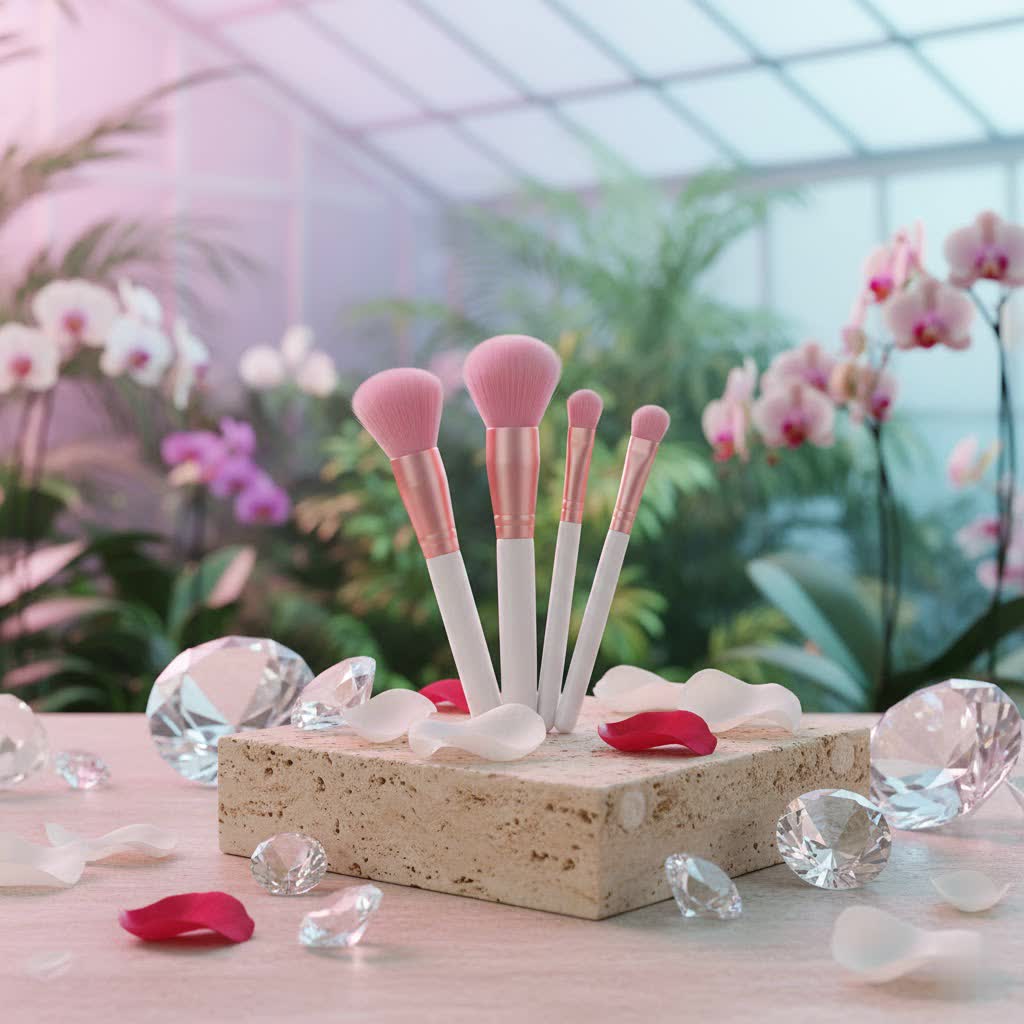
This comprehensive guide will demystify the different kinds of makeup brushes, explaining their unique purposes, how to choose them, and how to maintain them for lasting performance. Whether you’re a seasoned pro or just starting your beauty journey, understanding these essential tools will empower you to achieve a flawless application every time.
An Overview of Makeup Brushes
Makeup brushes are specifically designed instruments that facilitate the precise and seamless application of various cosmetic products. They are vital for achieving professional-looking results, offering a level of control and blending that finger application simply cannot match. From creating an even foundation base to intricately detailing eyeshadow, the right brush makes all the difference.
Each brush is typically composed of three main parts: the bristles, the ferrule, and the handle. The bristles, the working end of the brush, can be either natural or synthetic, determining how the product is picked up and distributed. The ferrule, usually a metal band, secures the bristles to the handle and maintains their shape. Finally, the handle, made from materials like wood or plastic, provides grip and control during application. The shape, density, and material of these components are carefully engineered to optimize the performance of each brush for its specific task.
Popular Kinds of Makeup Brushes
The world of makeup brushes is extensive, with specialized tools for nearly every step of your beauty routine. Understanding the common kinds of makeup brushes and their intended uses is the first step to building a versatile collection.
Face Makeup Brushes
Face brushes form the foundation of your makeup application, designed to create a smooth, even complexion and add dimension.
- Foundation Brush: These brushes are essential for applying liquid, cream, or powder foundations.
- Flat Foundation Brush: Often resembles a paintbrush, ideal for precise application and spreading product evenly across the face.
- Buffing/Stippling Brush: Features densely packed, often flat-topped bristles (stippling brushes have two lengths of bristles) perfect for blending product into the skin in circular motions, providing a natural, airbrushed finish.
- Concealer Brush: Smaller than foundation brushes, these typically have dense, rounded, or flat synthetic bristles. They are used for targeted application of liquid or cream concealer to blemishes, redness, or under-eye circles, allowing for precise coverage without pulling the delicate skin.
- Powder Brush: Characterized by large, fluffy, and soft bristles, powder brushes are designed to evenly distribute loose or pressed powder over the face. Their generous size and softness prevent over-application and help set makeup for a long-lasting, smooth finish.
- Blush Brush: Medium-sized with soft, often dome-shaped or angled bristles, a blush brush is perfect for sweeping powder, cream, or liquid blush onto the apples of your cheeks. The shape allows for a diffused application, creating a natural flush of color.
- Bronzer Brush: Similar in size to a powder brush but sometimes slightly more tapered or angled. This brush is used to apply bronzer to areas where the sun naturally hits (forehead, cheekbones, jawline) to add warmth and a sun-kissed glow.
- Contour Brush: Typically features denser, angled bristles that fit perfectly into the hollows of your cheeks, along the jawline, and on the sides of the nose. It’s designed for precise application of contouring products to sculpt and define facial features, creating shadows and dimension.
- Highlight Brush: These brushes are often small, fluffy, and tapered, or sometimes fan-shaped. They are used to apply highlighter to the high points of the face—cheekbones, brow bone, cupid’s bow, and bridge of the nose—for a luminous glow.
- Kabuki Brush: A unique, often large brush with a short handle and very dense, tightly packed bristles. Kabuki brushes are incredibly versatile, excellent for applying powder foundation, bronzer, or body shimmer with large, circular buffing motions for an airbrushed effect.
|
Our Picks for the Best Makeup Brushes in 2026
As an Amazon Associate I earn from qualifying purchases.
|
||
| Num | Product | Action |
|---|---|---|
| 1 | Makeup Brushes 22 Pcs Makeup Kit,Foundation Brush Eyeshadow Brush Make up Brushes Set (Green, 22 Piece Set) |

|
| 2 | BS-MALL Makeup Brush Set 18 Pcs Premium Synthetic Foundation Powder Concealers Eye shadows Blush Makeup Brushes with black case |
|
| 3 | 1/2 PCS Lymphatic Contour Face Brush for Sculpting – Anti-Puffiness, Detox & Lift, Improves Skin Glow & Absorption (1 Pcs Contour Face Brush) |
|
| 4 | BEAKEY Makeup Brushes Set, Professional Foundation Eyeshadow Concealer Blush Powder Bronzer Applicator, 2 Blender Sponge with Beauty Paper Case |
|
| 5 | 300PCS Disposable Angled Eyebrow Brushes, Bulk Brow Tint Brushes, Eye Shadow Eyeliner Brush, Tinting Concealer Brushs for Women Girls Salon Beauty Cosmetic Make up Tool Esthetician Supplies |
|
| 6 | Bueart Design 26 Pcs Chocolate-colored Gift Makeup Brushes Set with Extra Large Holder,Elegant Make up Brushes for Foundation,Face Blending Powder, Contour, Highlight, Concealer, Eyeshadow |
|
| 7 | BS-MALL Makeup Brushes Premium Synthetic Foundation Powder Concealers Eye Shadows 14 Pcs Purple for Makeup Beginner or Professional with Travel Case |
|
| 8 | MAANGE 20 Pcs Makeup Brushes with Gift Box, Double-End Multi-functional Makeup Brushes for Blending Liquid Powder Concealer Cream Blush Buffe,CoffeeBrown |
|
| 9 | Flat Top Kabuki Foundation Brush By KESHIMA - Premium Makeup Brush for Liquid, Cream, and Powder - Buffing, Blending, and Face - 1.2" Top Diameter |
|
| 10 | BS-MALL Professional Makeup Brush Set 18 Pcs Premium Synthetic Foundation Powder Concealers Eye Shadows Blush Makeup Brushes with Travel Case (Matte white beige) |
|
Eye Makeup Brushes
Eye brushes are smaller and more specialized, crucial for creating intricate eye looks and defining your brows and lash line.
- Eyeshadow Brush (Flat Shader): A flat, often firm brush with densely packed bristles, ideal for packing eyeshadow onto the eyelids. It allows for intense color payoff and precise placement of pigment.
- Blending Brush: A fluffy, dome-shaped brush with soft, flexible bristles. This is arguably one of the most essential eye brushes, used to seamlessly blend out harsh lines of eyeshadow, especially in the crease, creating a smooth and diffused transition between colors.
- Crease Brush: Smaller and more tapered than a blending brush, designed to fit perfectly into the crease of the eyelid. It’s used for applying darker shades to add depth and definition to the eye.
- Eyeliner Brush: These come in various forms, including ultra-fine pointed brushes for liquid or gel eyeliner, and angled brushes with stiff, short bristles for gel, cream, or powder liners. They allow for precise lines along the lash line or for creating winged eyeliner.
- Eyebrow Brush: Often double-ended, featuring an angled brush on one side and a spoolie (a spiral brush resembling a mascara wand) on the other. The angled brush is used for filling in brows with powder or pomade, while the spoolie helps groom, blend, and set brow hairs.
Lip Makeup Brushes
While many apply lipstick directly, a lip brush offers unparalleled precision and control for a perfectly defined pout.
- Lip Brush: A small, flat, and firm brush with a tapered or rounded tip. It allows for precise application of lipstick or gloss, helping to define the lip line and fill in color evenly, especially with bold or dark shades.
Natural vs. Synthetic Makeup Brushes: A Detailed Comparison
The material of your brush bristles significantly impacts their performance with different makeup formulas. Understanding the distinctions between natural and synthetic fibers is key to choosing the right tool.
| Feature | Natural Bristles | Synthetic Bristles |
|---|---|---|
| Material Source | Animal hair (e.g., goat, squirrel, sable, pony) | Man-made fibers (e.g., nylon, taklon, polyester) |
| Texture | Soft, porous, often feature a cuticle | Smooth, non-porous, often softer than in the past |
| Best For | Powder products (blush, bronzer, eyeshadow, setting powder) | Liquid and cream products (foundation, concealer, liquid blush, gel eyeliner, lipstick) |
| Application | Excellent for picking up and diffusing powder, blending seamlessly | Applies product precisely without absorption, streak-free finish |
| Absorption | Absorbs product due to porous nature | Does not absorb product, minimal product waste |
| Cleaning | Can be challenging to clean, may shed or break over time | Easy to clean, dries quickly, more durable |
| Cost | Generally more expensive | More affordable |
| Ethics | Not cruelty-free | Cruelty-free and vegan |
| Longevity | Can last long with proper care, but more delicate | Highly durable, stands up to frequent washing |
Natural bristles, with their microscopic cuticles, excel at picking up and distributing powder products, allowing for buildable coverage and seamless blending. They provide a luxurious feel and are superb for achieving a soft, diffused look. Conversely, synthetic bristles are smooth and non-porous, making them ideal for liquid and cream formulas. They prevent product absorption, ensuring maximum color payoff and a precise, streak-free application. Modern advancements mean synthetic brushes can now mimic natural hair more closely, offering incredible versatility.
Your Ultimate Guide to Choosing Makeup Brushes
Selecting the perfect makeup brushes involves more than just picking pretty tools. It requires considering several factors to ensure they meet your specific needs and complement your makeup routine.
Key Factors When Choosing Makeup Brushes:
- Bristle Material (Natural vs. Synthetic): As highlighted, this is paramount. For powder products (blush, bronzer, eyeshadow), natural bristles offer superior blending. For liquid or cream formulas (foundation, concealer, liquid lipstick), synthetic brushes are the top choice as they won’t absorb product and provide a smooth application. Many makeup enthusiasts opt for a mix of both.
- Brush Shape and Size: The shape and size dictate the brush’s function.
- Larger, fluffy brushes are best for broad applications like powder or bronzer on the face.
- Denser, angled brushes are ideal for sculpting, like contouring.
- Smaller, tapered, or flat brushes are crucial for precision work around the eyes, lips, or for spot concealing. Ensure the brush fits the area you intend to apply makeup to.
- Softness and Density:
- Soft bristles provide a gentle touch and are excellent for blending.
- Denser brushes offer more control and intensity, often preferred for packing on color or buffing foundation. Test the brush’s softness against your skin and feel its density.
- Handle Material and Grip: While often overlooked, a comfortable handle is essential. Wood, acrylic, or plastic handles vary in weight and feel. Choose one that feels balanced in your hand and provides a comfortable, secure grip, especially for detailed work.
- Brand and Price: Quality often comes with a price, but expensive doesn’t always mean best. Reputable brands offer a range of options from affordable to high-end. For beginners, starting with a few high-quality essential brushes is often better than a large, inexpensive set of mediocre ones. Invest in core brushes first, then expand your collection.
Consider your personal makeup habits. If you rarely wear eyeshadow, a single blending brush might suffice. If you love elaborate eye looks, a variety of eye brushes will be indispensable.
Essential Care for Your Makeup Brushes
Proper care and regular cleaning are vital for maintaining the performance of your makeup brushes, extending their lifespan, and safeguarding your skin’s health. Dirty brushes can harbor bacteria, leading to breakouts and poor makeup application.
Why Clean Your Brushes Regularly?
- Hygiene: Prevents bacteria buildup, which can cause skin irritation, clogged pores, and infections.
- Performance: Removes old product, allowing brushes to perform optimally, pick up new product efficiently, and blend seamlessly.
- Longevity: Preserves the bristles’ integrity and shape, making your investment last longer.
Steps to Clean Your Brushes Properly:
- Wet the Bristles: Hold the brush under lukewarm running water, pointing the bristles downwards to avoid water seeping into the ferrule, which can weaken the glue.
- Apply Cleanser: Use a specialized brush cleanser, a gentle shampoo, or mild soap (like baby shampoo). Pour a small amount into your palm or onto a textured cleaning mat.
- Lather and Swirl: Gently swirl the bristles in the cleanser, creating a lather. Work the product through the bristles, being careful not to splay them too much. You’ll see makeup residue come off.
- Rinse Thoroughly: Rinse the brush again under lukewarm running water, bristles down, until the water runs clear and no soap residue remains.
- Reshape and Dry: Gently squeeze out excess water with a clean towel. Reshape the bristles back to their original form. Lay brushes flat on a clean towel or use a brush drying rack with bristles facing downwards. Avoid drying brushes upright, as water can collect in the ferrule and loosen the glue. Allow them to air dry completely, which can take several hours or overnight.
Frequency: Foundation and concealer brushes should be cleaned weekly, while eye brushes and powder brushes can be cleaned every 1-2 weeks, depending on usage.
How to Store Your Brushes:
Store brushes in a dry, cool place away from direct sunlight. Upright in a brush holder, laid flat in a drawer, or in a brush roll for travel can help protect them from dust and maintain their shape.
Building Your Ideal Makeup Brush Collection
Building a makeup brush collection doesn’t mean buying every brush on the market; it means thoughtfully selecting tools that enhance your routine. For beginners, a small, versatile starter set that includes a foundation/powder brush, a blush brush, and a couple of essential eye brushes (a flat shader and a blending brush) is an excellent starting point. As your skills and needs evolve, you can gradually add more specialized brushes, such as a precise contour brush or a detailed eyeliner brush.
When evaluating brush sets, consider the variety of brushes included, the quality of the bristles (synthetic for versatility or natural for powders), the comfort of the handles, and the overall value for money. Many brands offer well-curated sets that provide a good balance of essential tools for various price points, from budget-friendly options that still offer good quality to premium sets designed for professional use. Focus on functionality and quality over quantity to ensure your collection truly serves your beauty goals.
Conclusion
The journey through the diverse world of makeup brushes reveals that these tools are far more than simple accessories; they are fundamental to achieving precise, blended, and professional-looking makeup. By understanding the different kinds of makeup brushes, their unique applications, and the benefits of various bristle materials, you empower yourself to make informed choices. Mastering their care ensures their longevity and safeguards your skin’s health.
Investing in the right makeup brushes, whether a carefully chosen few or a comprehensive collection, transforms your makeup routine from a task into an art. Experiment with different shapes and materials, discover what works best for your favorite products, and refine your application techniques. What kind of makeup brush has made the biggest difference in your beauty routine?
Frequently Asked Questions
How many makeup brushes do I really need?
The number of makeup brushes you need depends on your routine. For a basic look, 5-7 essential brushes (foundation/powder, blush, eyeshadow shader, blending, and brow) are sufficient. More elaborate looks or diverse products might require a larger collection, but focus on quality and specific purpose over quantity.
Should I choose natural or synthetic makeup brushes?
The best choice depends on the makeup product you are using. Synthetic brushes are generally superior for liquid and cream formulas because they don’t absorb product and apply smoothly. Natural brushes excel with powder products, offering excellent pickup and seamless blending. Many opt for a mix of both.
