For makeup enthusiasts and professionals alike, the right tools are as crucial as the products themselves. Among the myriad of choices, natural hair makeup brushes stand out, revered for their ability to deliver a truly seamless, airbrushed finish, especially when working with powder-based formulations. If you’ve ever wondered how to achieve that perfectly blended eyeshadow or a flawlessly diffused blush, understanding the world of natural hair brushes is your key. This comprehensive guide will navigate you through their unique characteristics, diverse types, optimal uses, and essential care, ensuring you can select and maintain the perfect brushes for your beauty arsenal.
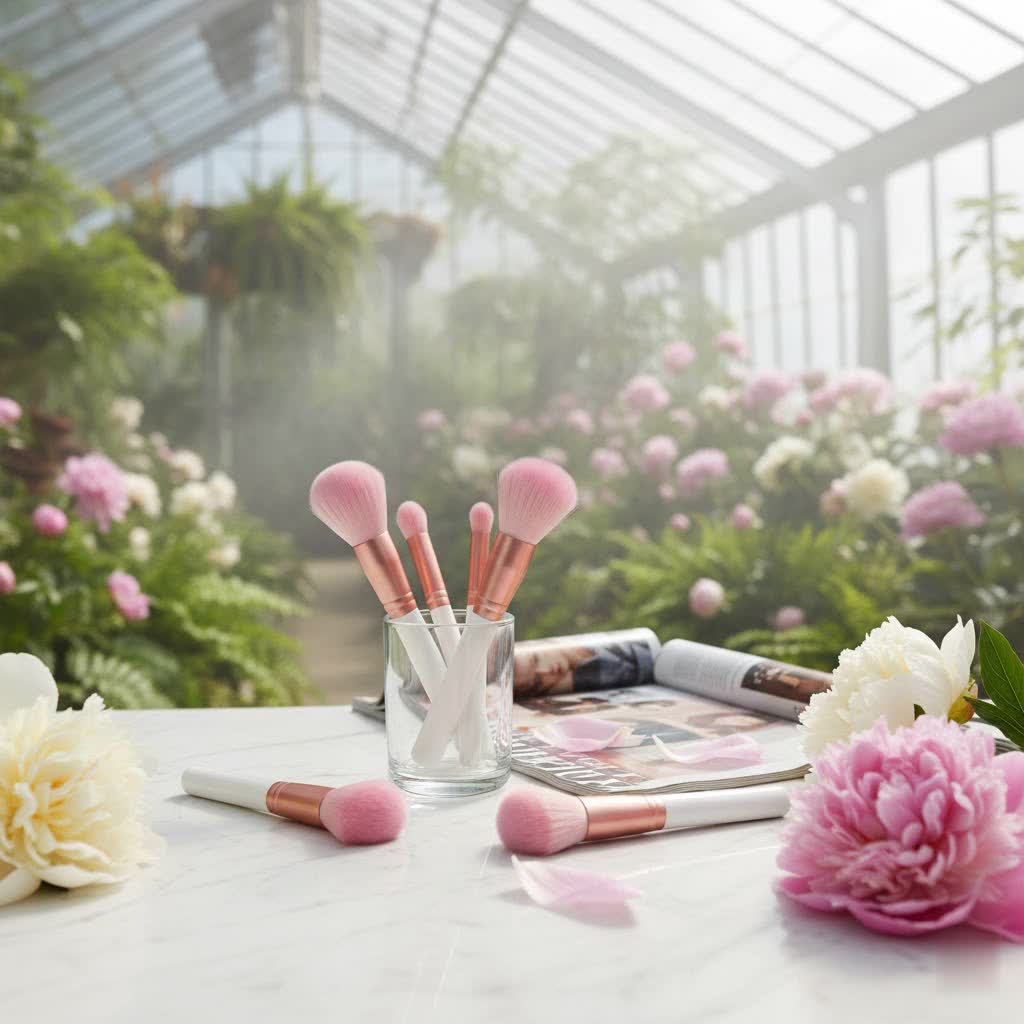
Overview of Natural Hair Makeup Brushes
Natural hair makeup brushes are crafted from various animal hairs, each possessing distinct qualities that contribute to their superior performance. Unlike their synthetic counterparts, natural fibers feature microscopic cuticles—tiny, overlapping scales that mimic the structure of human hair. These cuticles are the secret behind their exceptional ability to pick up, hold, and gradually release powder pigments, allowing for unparalleled blending and buildable coverage. This unique texture makes them indispensable for achieving a soft, diffused, and natural-looking application.
The use of natural hair brushes dates back centuries, evolving from simple tools to sophisticated instruments. Historically, various animal furs were utilized for painting and cosmetic application, prized for their softness and ability to hold pigments. Over time, specific animal hairs became favored for makeup brushes due to their texture, durability, and effectiveness with cosmetic powders. Today, they remain a staple in many professional kits and for those who appreciate a luxurious application experience.
Popular Types of Natural Hair Makeup Brushes
Natural hair brushes are categorized primarily by the type of animal hair used, which dictates their texture, flexibility, and suitability for different makeup products and areas of the face.
Face Makeup Brushes
Natural hair excels at applying powder products to the face, ensuring a smooth, even, and diffused finish.
- Powder Brush: Typically large and fluffy, often made from goat or squirrel hair. These brushes are designed to evenly distribute loose or pressed powder over larger areas of the face, setting foundation and reducing shine without looking cakey.
- Blush Brush: Often rounded, tapered, or angled, blush brushes frequently feature goat or pony hair. They are perfect for applying blush to the apples of the cheeks, allowing for a soft wash of color that can be easily built up and blended.
- Bronzer Brush: Larger and fluffier than a blush brush, a bronzer brush (often goat or pony hair) is ideal for sweeping bronzer across the face—forehead, cheekbones, and jawline—to create a sun-kissed glow or add warmth. Its natural fibers ensure an even, streak-free application.
- Highlight Brush: Smaller, often tapered or fan-shaped, and usually made from soft squirrel or goat hair. These brushes are precise enough to apply highlighter to specific areas like the cheekbones, brow bone, and cupid’s bow, delivering a luminous, blended shimmer.
|
Our Picks for the Best Makeup Brushes in 2026
As an Amazon Associate I earn from qualifying purchases.
|
||
| Num | Product | Action |
|---|---|---|
| 1 | 300PCS Disposable Angled Eyebrow Brushes, Bulk Brow Tint Brushes, Eye Shadow Eyeliner Brush, Tinting Concealer Brushs for Women Girls Salon Beauty Cosmetic Make up Tool Esthetician Supplies |

|
| 2 | Makeup Brushes 22 Pcs Makeup Kit,Foundation Brush Eyeshadow Brush Make up Brushes Set (Green, 22 Piece Set) |
|
| 3 | BEAKEY Makeup Brushes Set, Professional Foundation Eyeshadow Concealer Blush Powder Bronzer Applicator, 2 Blender Sponge with Beauty Paper Case |
|
| 4 | Bueart Design 26 Pcs Chocolate-colored Gift Makeup Brushes Set with Extra Large Holder,Elegant Make up Brushes for Foundation,Face Blending Powder, Contour, Highlight, Concealer, Eyeshadow |
|
| 5 | BS-MALL Makeup Brushes Premium Synthetic Foundation Powder Concealers Eye Shadows 14 Pcs Purple for Makeup Beginner or Professional with Travel Case |
|
| 6 | MAANGE 20 Pcs Makeup Brushes with Gift Box, Double-End Multi-functional Makeup Brushes for Blending Liquid Powder Concealer Cream Blush Buffe,CoffeeBrown |
|
| 7 | 1/2 PCS Lymphatic Contour Face Brush for Sculpting – Anti-Puffiness, Detox & Lift, Improves Skin Glow & Absorption (1 Pcs Contour Face Brush) |
|
| 8 | BS-MALL Makeup Brush Set 18 Pcs Premium Synthetic Foundation Powder Concealers Eye shadows Blush Makeup Brushes with black case |
|
| 9 | BS-MALL Professional Makeup Brush Set 18 Pcs Premium Synthetic Foundation Powder Concealers Eye Shadows Blush Makeup Brushes with Travel Case (Matte white beige) |
|
| 10 | Flat Top Kabuki Foundation Brush By KESHIMA - Premium Makeup Brush for Liquid, Cream, and Powder - Buffing, Blending, and Face - 1.2" Top Diameter |
|
Eye Makeup Brushes
Precision and seamless blending are paramount for eye makeup, areas where natural hair brushes truly shine.
- Eyeshadow Brush: Available in various shapes and sizes (flat, fluffy, pencil), often utilizing sable, squirrel, or goat hair. Flat brushes are excellent for packing color onto the lid, while fluffier versions are perfect for diffusing harsh lines.
- Blending Brush: A cornerstone for any eye makeup look, blending brushes are typically fluffy and domed, made from squirrel or goat hair. They are indispensable for softening edges, seamlessly blending different eyeshadow shades together, and creating a gradient effect in the crease.
- Eyeliner Brush: Fine-tipped or angled brushes, frequently made from sable hair due to its ability to hold a sharp point. While many liquid/gel eyeliners are best applied with synthetic brushes, a high-quality sable brush can be excellent for applying powder liners or for precise detail work with dry products.
- Eyebrow Brush: Often an angled brush made from horse or goat hair, providing the right stiffness and control for applying eyebrow powder or pomade. The natural bristles allow for a softer, more natural-looking fill, mimicking individual brow hairs.
Lip Makeup Brushes
Though less common for natural hair, specific types can be used for detailed lip work with certain products.
- Lip Brush: A small, firm, often tapered brush, typically made from sable. While many prefer synthetic for cream or liquid lipsticks, a sable lip brush can be used for precise application of lip powders, blending lip liners, or creating intricate lip art where natural hair’s blending capabilities are an advantage.
Comparing Natural Hair Makeup Brushes
The choice of natural hair depends on the desired application, texture, and price point. Each hair type offers unique benefits.
| Type of Brush | Hair Material | Shape & Size | Primary Purpose | Pros | Cons | Price Range |
|---|---|---|---|---|---|---|
| Powder | Goat, Squirrel | Large, fluffy, domed | Setting makeup, overall powder application | Excellent powder pickup and diffusion, very soft, buildable coverage | Can be expensive, requires gentle cleaning | Mid-High |
| Blush | Goat, Pony | Rounded, tapered, angled | Applying blush, bronzer, contour | Smooth, even application; great for blending soft color; durable | May not be ideal for sharp contour lines | Mid |
| Eyeshadow | Sable, Squirrel | Flat, fluffy, pencil, various sizes | Packing color, blending, detail work | Superior blending, soft on delicate eye area, precise color placement | Sable can be very expensive, some types shed | Mid-Luxury |
| Blending | Squirrel, Goat | Fluffy, domed | Softening edges, creating gradients | Seamless blending, diffused finish, gentle on skin | Can absorb more product than synthetic | Mid-Luxury |
| Eyeliner | Sable | Fine-tipped, angled | Precise lines (with powder/dry products) | Excellent control, fine point, can create sharp lines with dry products | Less ideal for liquids/gels due to absorption | High |
| Eyebrow | Horse, Goat | Angled, spoolie combo | Filling brows with powder/pomade | Good grip on powder, natural finish, firm yet flexible | May not be as fine as synthetic for hair-like strokes | Mid |
Natural bristles, with their cuticles, are exceptional for picking up and diffusing powder products. However, their porous nature means they can absorb liquid and cream formulas, leading to wasted product, streaky application, and difficulty cleaning. This is why synthetic brushes are often preferred for liquid foundations, cream blushes, and gel eyeliners, as their non-porous fibers do not absorb product, allowing for a smoother, more hygienic application with these formulas.
“The magic of natural hair brushes lies in their cuticles. These tiny scales allow for an unmatched ability to pick up and distribute powder pigments, creating that soft, airbrushed finish that’s so hard to replicate with other tools.” – Sarah Lee, Master Makeup Artist
Buying Guide for Natural Hair Makeup Brushes
Choosing the right natural hair makeup brush involves considering several key factors to ensure it meets your specific needs and preferences.
- Hair Material:
- Goat hair: Versatile, soft, and durable. A great all-rounder for powder products on the face and eyes. More affordable than sable or squirrel.
- Squirrel hair: Exceptionally soft and delicate, ideal for sensitive skin and a sheer wash of color. Known for superior powder pickup and luxurious feel. Often more expensive.
- Sable hair: Very soft, flexible, and holds a fine point. Excellent for detailed eye work and precision. Kolinsky sable is considered the pinnacle for its blend of softness and resilience, but is also the most expensive.
- Pony hair: Smooth texture, good for powders and creams (though still better for powders), durable and more affordable.
- Horse hair: Firmer than pony, good for buffing and thicker powders, ideal for eyebrows.
- Ethical Considerations: For some, the use of animal hair raises ethical concerns. If cruelty-free is a priority, high-quality synthetic brushes (which have advanced significantly) may be a better alternative, especially for liquid and cream products.
- Brush Shape and Size: The shape and size of a brush determine its specific function.
- Large, fluffy brushes are for broad application (powder, bronzer).
- Medium, domed or tapered brushes are for blush and blending.
- Smaller, more precise shapes (flat, pencil, angled) are for eyeshadow, liner, and detail work. Choose shapes that align with your typical makeup routine and the areas you need to reach.
- Softness and Flexibility: The bristles should feel soft and gentle against your skin, especially for delicate areas like the eyes. Flexible bristles allow for seamless blending, while slightly firmer ones provide more control for packing on color or precise lines.
- Handle Quality: A good brush handle should feel comfortable in your hand, offering a balanced grip and control. Materials like wood, acrylic, or metal are common, with varying lengths and weights.
- Brand and Price: Natural hair brushes typically come at a higher price point than synthetic ones due to the sourcing and hand-crafting involved. Investing in high-quality natural hair brushes from reputable brands can be worthwhile, as they are durable and perform exceptionally well with proper care.
Cleaning and Maintaining Natural Hair Makeup Brushes
Proper cleaning and maintenance are crucial to extending the lifespan of your natural hair makeup brushes and ensuring hygienic application. Without regular cleaning, brushes can harbor bacteria, oils, and old makeup, leading to skin breakouts and compromised product application.
Tần suất vệ sinh cọ:
It’s recommended to clean brushes used for powders weekly, and spot clean after each use, especially for eye brushes.
Các bước vệ sinh cọ đúng cách:
- Wet the Bristles: Hold the brush bristles-down under lukewarm, running water. Avoid getting water into the ferrule (the metal part connecting the bristles to the handle), as this can weaken the glue and cause shedding.
- Apply Cleanser: Dispense a small amount of a gentle brush cleanser, mild shampoo (like baby shampoo), or a specialized brush soap onto your palm or a textured cleaning mat.
- Lather and Swirl: Gently swirl the brush bristles in the cleanser, working up a lather. Focus on removing all makeup residue. Be gentle to avoid splaying or damaging the delicate hairs.
- Rinse Thoroughly: Rinse the brush again under lukewarm, running water (bristles-down) until the water runs clear and all soap residue is gone.
- Reshape and Dry: Gently squeeze out excess water with a clean towel. Carefully reshape the brush head to its original form. Lay brushes flat or hang them upside down to air dry completely. Drying upside down helps prevent water from seeping into the ferrule. Avoid drying them upright, as water can pool in the ferrule and damage the brush.
- Condition (Optional): Some natural hair brushes may benefit from a brush conditioner periodically to keep the bristles soft and supple, much like human hair.
Cách bảo quản cọ:
Store your brushes in a clean, dry place, ideally upright in a brush holder or in a roll-up case to protect the delicate bristles from dust and damage. Avoid exposing them to direct sunlight, steam, or extreme heat, which can dry out and damage the natural hair.
Recommended Natural Hair Makeup Brush Sets
Investing in a quality set of natural hair makeup brushes can elevate your makeup routine. While specific brand recommendations can vary, here’s what to look for when choosing sets across different price points:
- Affordable Segment: Look for sets featuring soft goat or pony hair. These brushes offer good blending capabilities and softness for everyday use without a high cost. Ensure the set includes essential face brushes (powder, blush) and key eye brushes (eyeshadow, blending).
- Mid-Range Segment: Sets in this category often include a wider variety of shapes and may feature higher-grade goat hair or a mix with some squirrel hair. These sets typically offer improved softness, better construction, and enhanced blending performance, suitable for those looking to upgrade their tools.
- High-End/Luxury Segment: These sets are typically characterized by exquisite craftsmanship and the inclusion of premium hair types like high-grade squirrel or sable (including Kolinsky). They offer unparalleled softness, precision, and longevity. Expect specialized brushes for various applications, designed for the ultimate blending and luxurious feel. These are often an investment, providing exceptional performance for years with proper care.
When evaluating a set, consider the balance of face and eye brushes, the overall quality of the hair and construction, and whether the brush shapes align with the makeup looks you want to achieve. A versatile set should provide tools for foundation setting, blush, bronzing, and detailed eye applications.
Conclusion
Natural hair makeup brushes are more than just tools; they are an investment in the art of flawless makeup application. Their unique ability to pick up, diffuse, and blend powder products seamlessly sets them apart, offering a luxurious feel and an airbrushed finish that many professionals swear by. From the unparalleled softness of squirrel hair to the versatile resilience of goat hair, understanding the distinct characteristics of each type empowers you to make informed choices that elevate your beauty routine. With proper selection, gentle care, and a mindful approach to their use, your natural hair makeup brushes can become cherished companions in achieving stunning, effortlessly blended looks for years to come.
What natural hair brush will you add to your collection to transform your makeup game?
Frequently Asked Questions
What makes natural hair makeup brushes better for powder products?
Natural hair brushes possess tiny, overlapping cuticles that effectively grip and hold powder pigments. This unique structure allows them to pick up product efficiently and release it gradually onto the skin, resulting in a smooth, diffused, and buildable application without patchiness.
Can natural hair brushes be used with liquid or cream makeup?
While possible, natural hair brushes are generally not recommended for liquid or cream formulas. Their porous nature causes them to absorb these products, leading to wasted makeup, streaky application, and significant difficulty in cleaning them thoroughly, potentially harboring bacteria.
How often should I clean my natural hair makeup brushes?
For optimal hygiene and performance, it is advisable to clean your natural hair brushes at least once a week if used regularly. Eye brushes, in particular, may benefit from more frequent spot cleaning after each use to prevent color transfer and bacterial buildup.
What types of animal hair are commonly used in natural makeup brushes?
Common animal hairs include goat, squirrel, sable (often Kolinsky sable), pony, and horse. Each type offers different levels of softness, flexibility, and resilience, making them suitable for various makeup applications, from broad powder sweeps to intricate detail work.
Are natural hair makeup brushes more expensive than synthetic ones?
Yes, natural hair makeup brushes generally come with a higher price tag compared to synthetic brushes. This is due to the complexities involved in sourcing high-quality animal hair and the often hand-crafted nature of their production. However, their durability and superior performance for powder products often justify the investment.
